107 pubs checked · updated 18 September 2026

The oldest pub in England

The short answer

Oldest claim

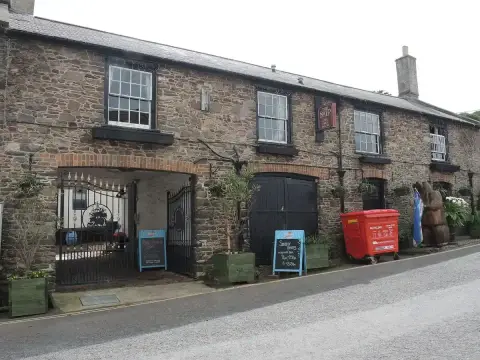
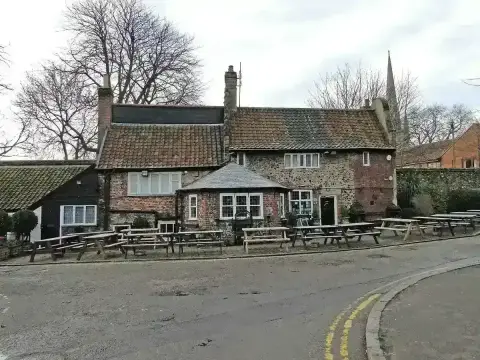
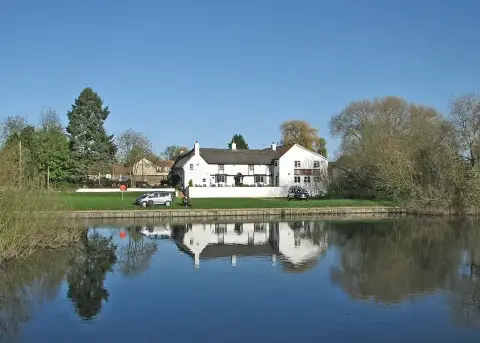
The Old Ferry Boat Inn

Says AD 560. The first record is 1841.

Grade C · Tradition

Oldest proof

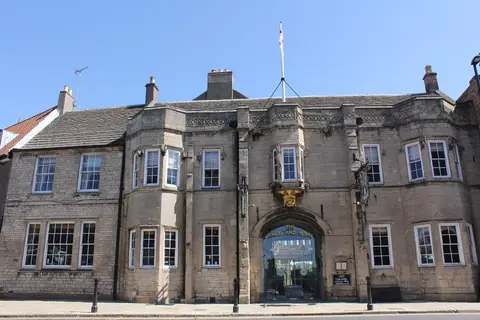
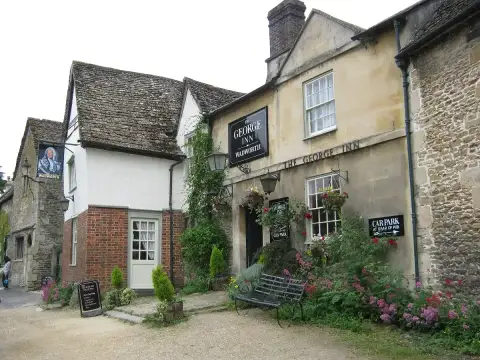
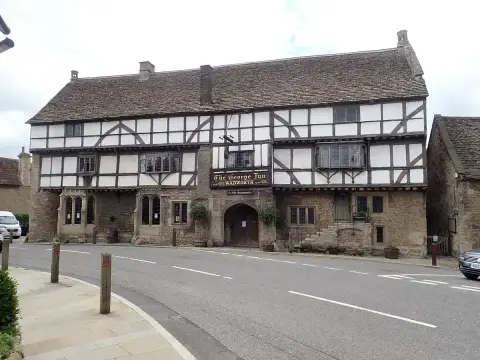
The George Inn

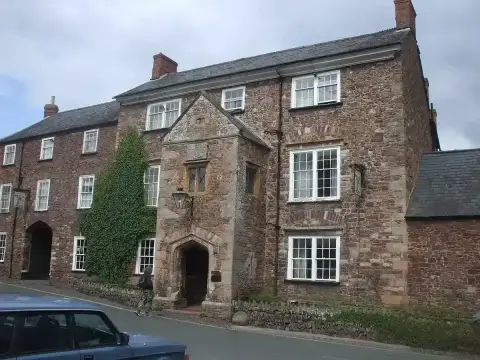
On record from 1432; the building is dated to about 1430.

Grade A · Documented

By claim, the oldest pub in England is the Old Ferry Boat Inn at Holywell in Cambridgeshire, which dates itself to AD 560; its earliest continuous run of named innkeepers begins in 1841. By evidence the answer is a different building in a different county: the George Inn at Norton St Philip in Somerset, whose timber upper floors were tree-ring dated to 1430–32 and which Historic England considers the strongest candidate for England's earliest surviving purpose-built inn.

England has more ancient-pub claims than any other country, and part of the reason is bureaucratic. Domesday Book counts mills, ploughs and churches but no pubs, and the licensing system that produces most usable pub records begins only with the Ale Houses Act of 1551–52, which put alehouse keepers in front of justices of the peace at quarter sessions. Anything earlier survives by accident: a manor court roll, a monastic account, a will, a bequest of a tenement. So the pubs with Saxon and Norman dates painted on their signs are almost never quoting a document. They are quoting a tradition, and often one written down for the first time by a Victorian or Edwardian landlord who understood that age sells beer. What England does have, in unusual numbers, is medieval fabric: purpose-built pilgrim inns raised by monasteries, church houses where the parish brewed its ales, and timber-framed merchants' houses that became taverns centuries after they were built. That is where the defensible dates live, and it is what every pub on this page is measured against.

Where the claims come from

Three patterns account for most of England’s very early dates. The first is the church-builders’ story: an inn is said to have been raised to house the masons working on the parish church next door, as at the Red Lion in Chalton, the Crown at Lanlivery and the Tinners Arms in Zennor. It is plausible in outline and almost never documented in detail. The second is the monastic guest house, which is often true of the building and rarely provable of the drinking: the Olde Bell at Hurley and the Lord Crewe Arms at Blanchland both stand on genuinely monastic ground. The third is the round number attached to a famous event — crusaders in 1189, a market charter in 1251 — which tends to appear in print centuries after the event itself.

What counts as evidence here

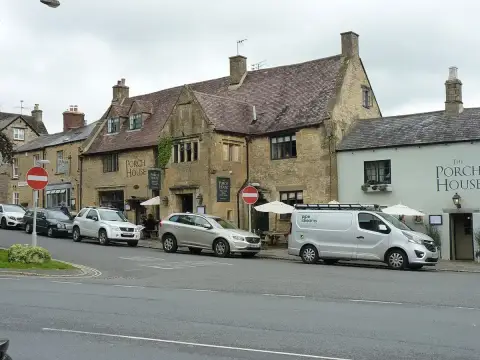
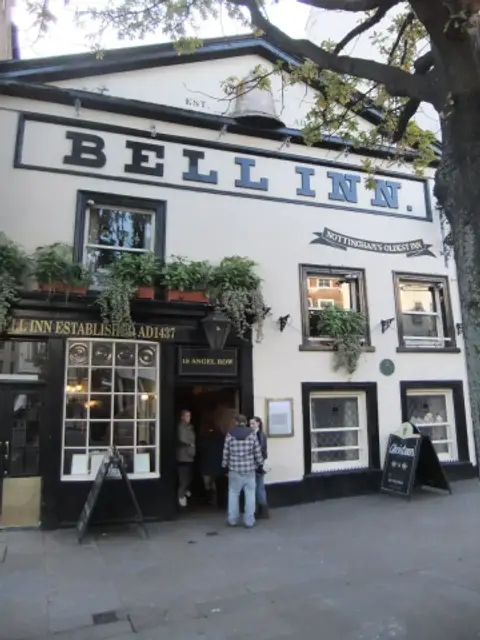
We grade on three things: a document naming the house as a drinking house, physical dating of the fabric, and continuity of trade. Tree-ring dating has been decisive in a handful of cases, including the Bell Inn in Nottingham, whose timbers are mid-fifteenth century even though its paperwork begins in the 1630s. Where a claim rests on a test nobody can produce, we say so — the radiocarbon date usually quoted for the Porch House in Stow-on-the-Wold cannot be traced to a published report. The full grading rules are on our methodology page, and the county lists for Cornwall, Devon and Kent show how differently the evidence falls from one part of the country to another.

Map of 107 old pubs in England

Coastlines: Natural Earth · Pub locations ©OpenStreetMap contributorsNatural Earth · ©OpenStreetMap contributors

EnglandAreas

OpenFreeMap · © OpenMapTiles · Data © OpenStreetMap contributors

Open the full map

The contenders, oldest claim first

Order the contenders
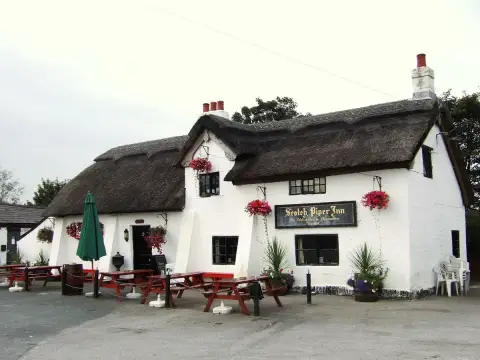
  1. Holywell, Cambridgeshire

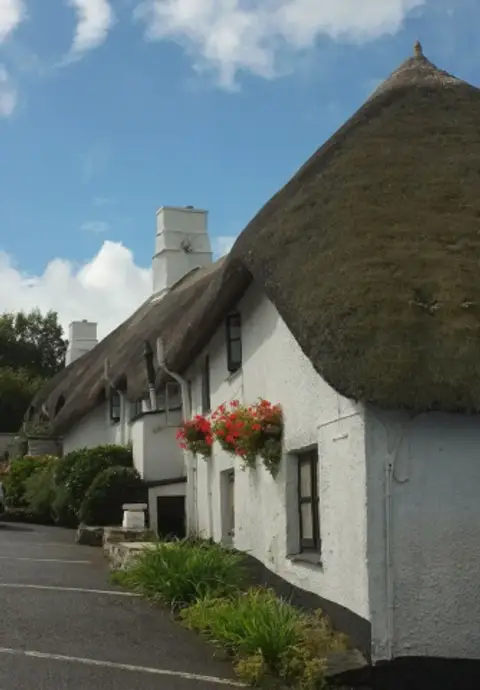
    The AD 560 date is tradition only; no early documentary source has been published. The listed building is 17th-century with an older cross-wing, and a continuous run of named innkeepers is recorded only from 1841.
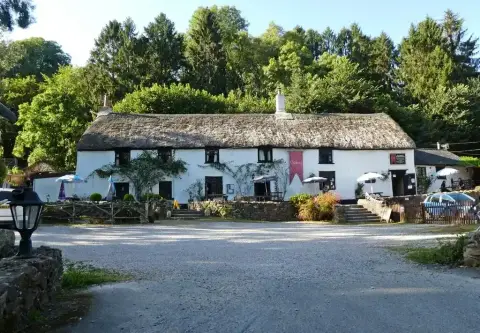
    Claims AD 560; first recorded 1841.
  2. St Albans, Hertfordshire
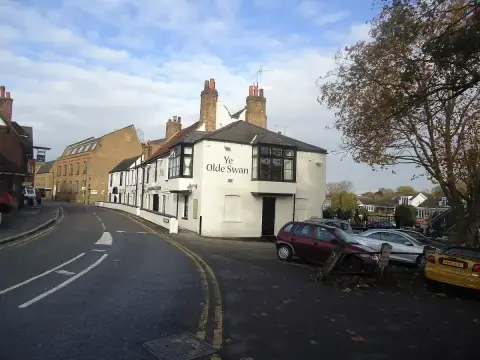
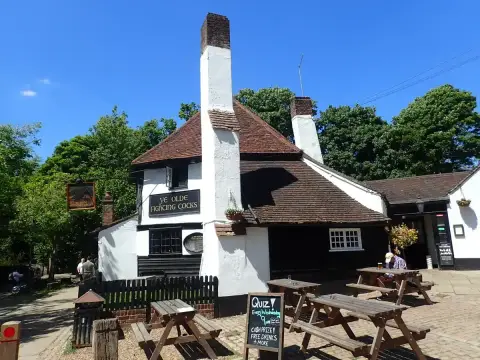
    The 793 is the pub's own claim: its website says the original structure has been dated as far back as 793AD. Historic England notes the 793 date first appears on an early-20th-century postcard. Legal papers show the old pigeon house was rebuilt as the 'Round House' by 1622; the first firm record as an alehouse (the Three Pigeons) is 1756, and the Fighting Cocks name appears by 1806.
    Claims AD 793; first recorded 1756.
  3. Trusham, Devon

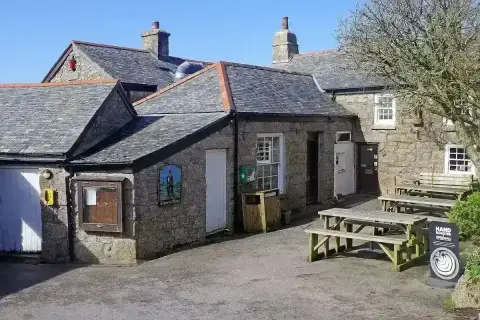
    The building is a genuinely old listed Devon longhouse, but it was a farmhouse until it was made into a pub and restaurant in August 1982, which CAMRA's South Devon branch states as plainly as the inn does. Historic England lists it grade II, under the spelling Crideford Inn, and first listed it on 2 July 1986 — four years after the conversion, so the register knows the building as an inn and says nothing about how

    Claims AD 825; first recorded 1982.
  4. Stow-on-the-Wold, Gloucestershire

    The 947 is the house's own claim, though it has faded from its website: the current site says only 'England's oldest inn' and eleven centuries, while the history page archived in September 2020 gave the tradition that part of the building was a hospice built for Aethelmar, Duke of Cornwall in 947AD, quoting a local history published in 2000. The date rests on that tradition. The radiocarbon test usually cited in

    Claims AD 947; no early record found.
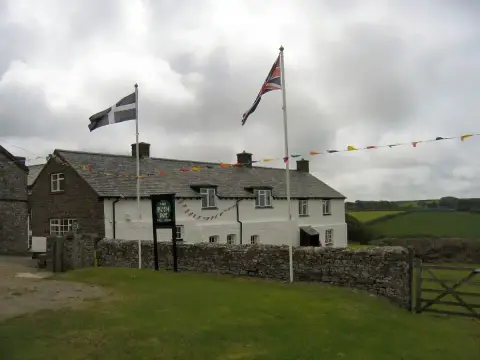
  5. The Bush Inn

    Grade C

    Morwenstow, Cornwall

    The pub cites hospitality from around 950 AD and a 13th-century building, and offers no documentation for either. Two searches on 12 September 2026 turned up nothing to support them and two blanks worth recording. Historic England's list holds 23 entries in Morwenstow parish - the church, six chest tombs, the vicarage, Tonacombe Manor, Hawker's hut, the ship's figurehead by the lych gate - and not the inn; the only

    Claims AD 950; no early record found.
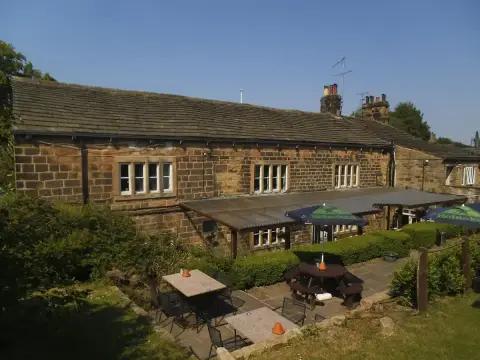
  6. Bardsey, West Yorkshire

    Historic England's listing and its 2022 'oldest pub' blog find a mid-18th-century building with a 1738 datestone and no evidence for a 10th- or 11th-century inn; no pubs appear in Domesday. The 953 date is unsourced tradition. 1738 is a building date, not a documented licence.

    Claims AD 953; first recorded 1738; building c.1738.
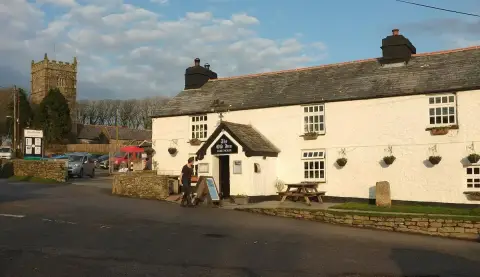
  7. The Old Inn

    Grade C

    St Breward, Cornwall

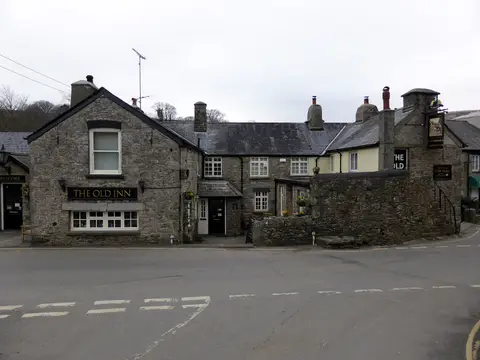
    The 11th-century date, tied to monks building the nearby church, comes from the pub and from tourism lists; no documentary or architectural dating was found. The pub's own about page is more careful than the lists that repeat it: it says the middle bar and kitchens were built in the 11th century as lodging for the monks, that the house is believed to have begun trading as a public house in the 15th century, and that

    Claims 1000; no early record found.
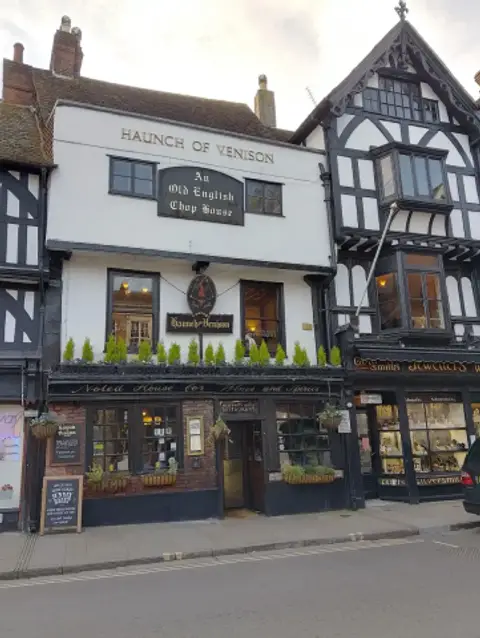
  8. Winchester, Hampshire

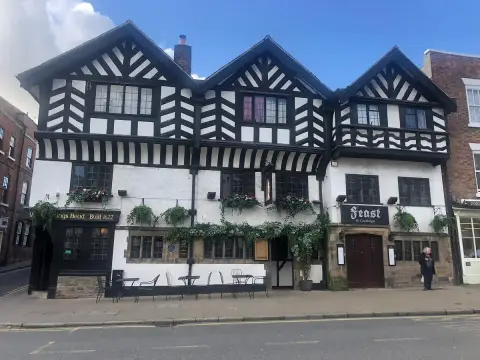
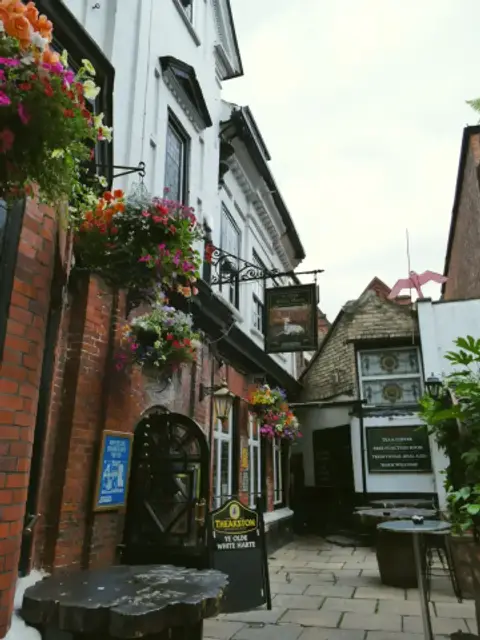
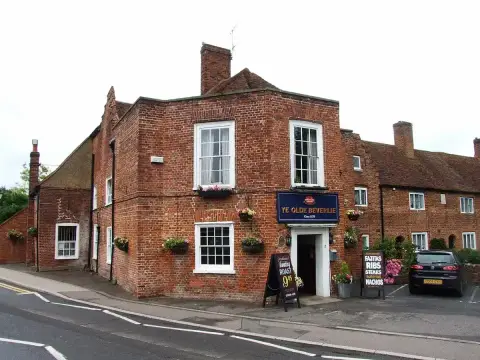
    The link with Queen Emma's residence in 1002 is legend. Local historians cite records of an unnamed taverner here between about 1390 and 1430 and a 1637 schedule naming a tapster with a brewhouse, which gives it one of the better documented medieval tavern histories in Hampshire.

    Claims 1002; first recorded 1430; building c.1450.

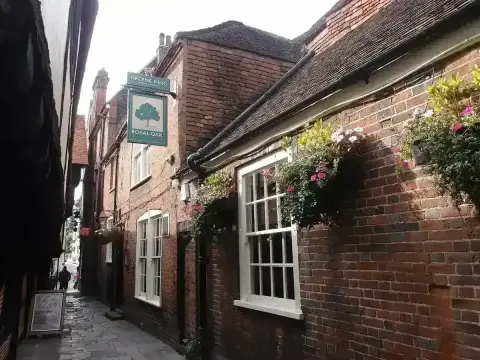
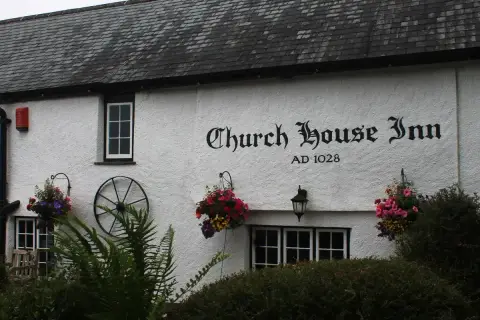
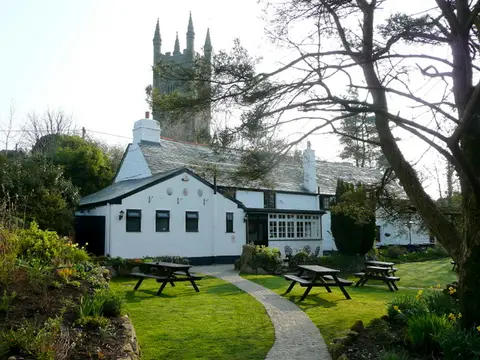
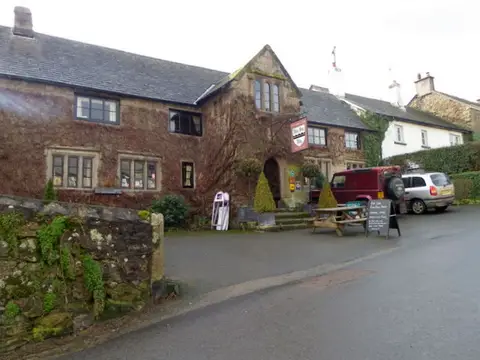
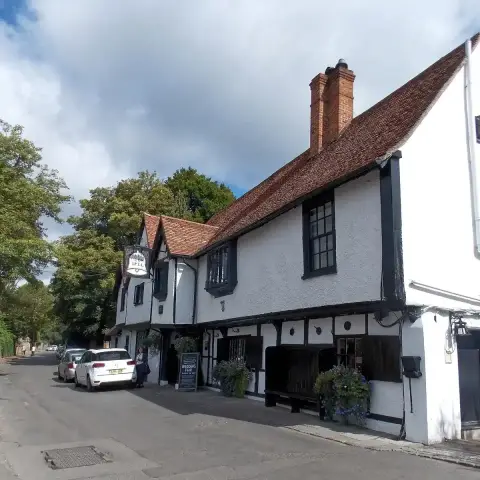
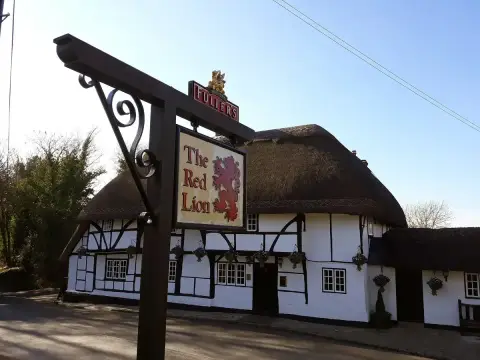
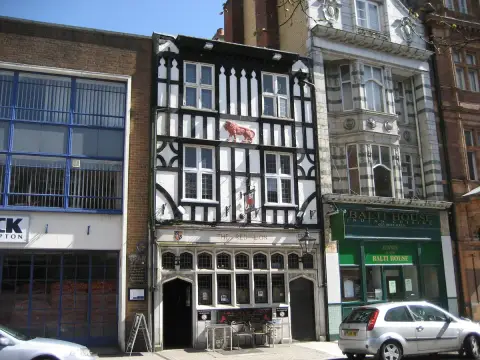
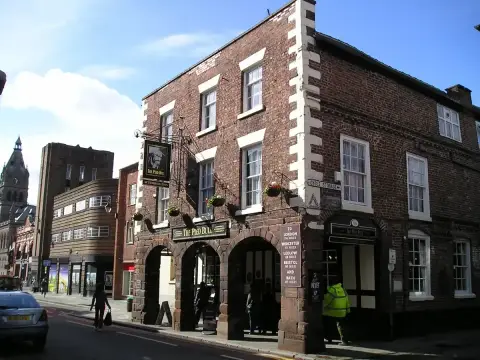
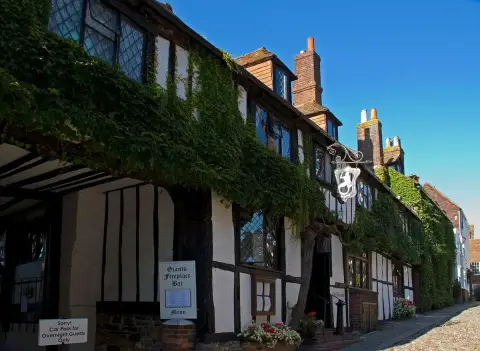
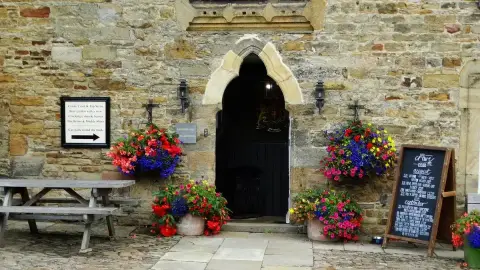
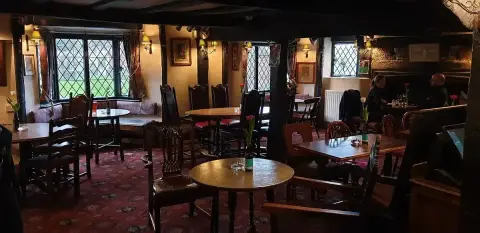
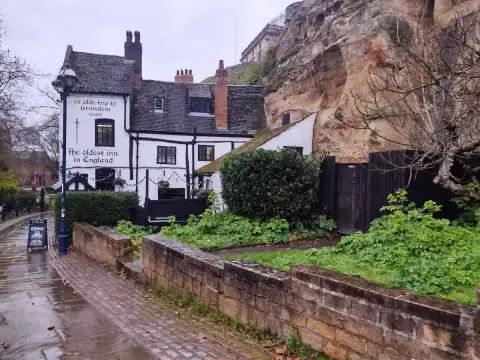
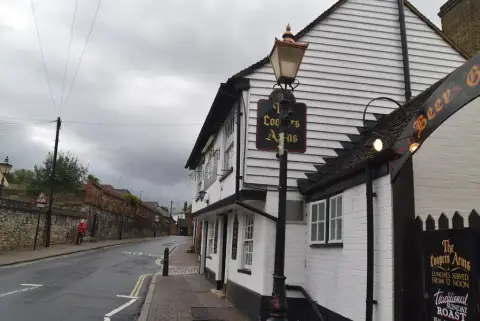
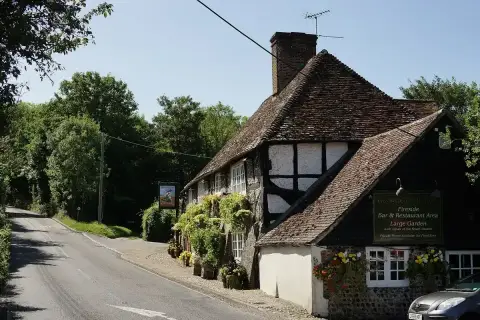
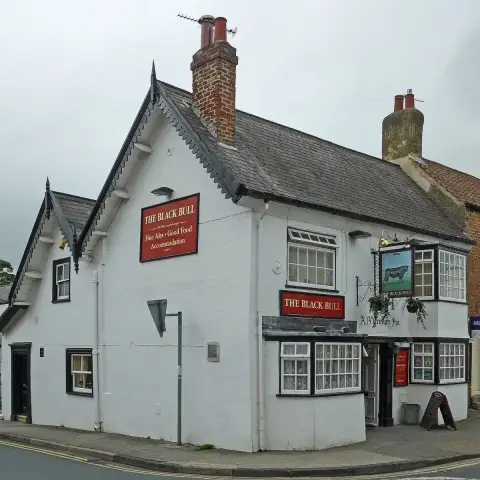
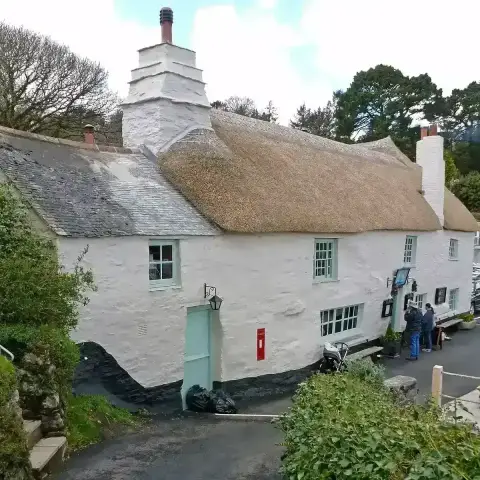
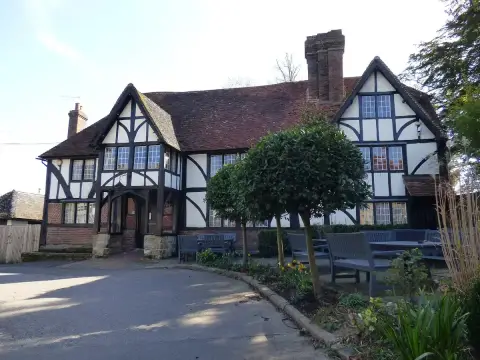
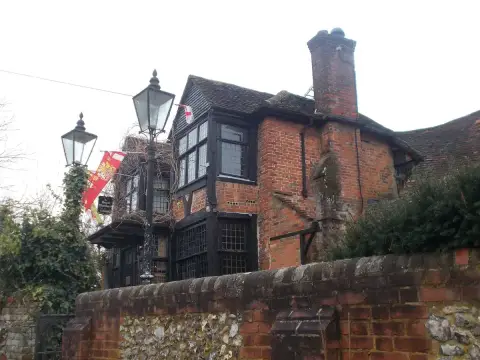
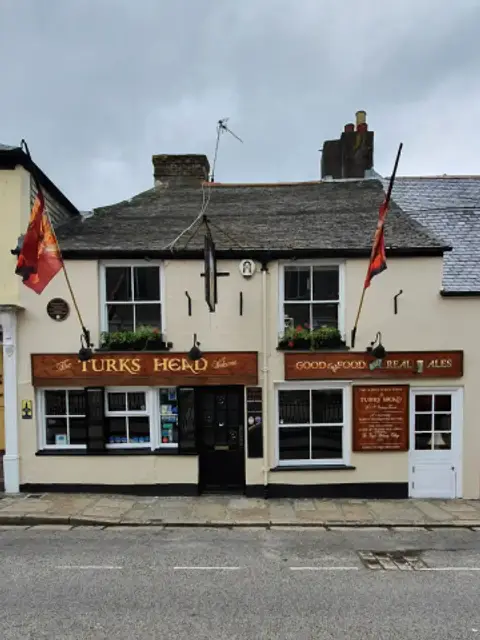
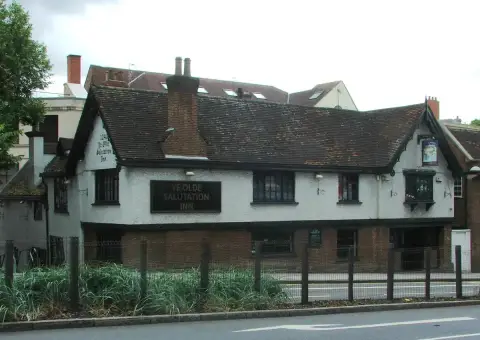
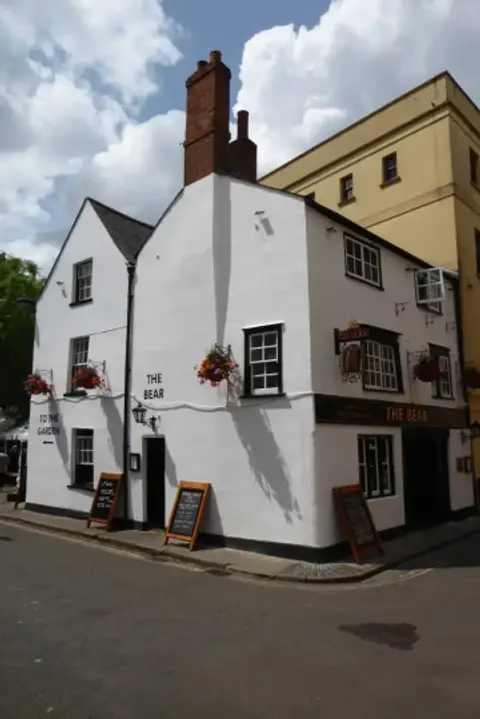
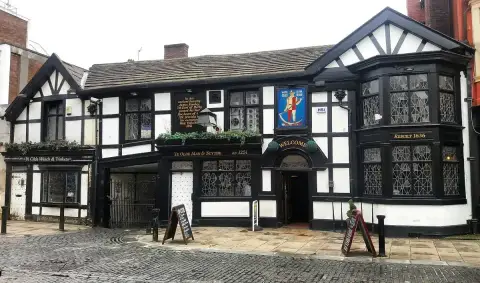
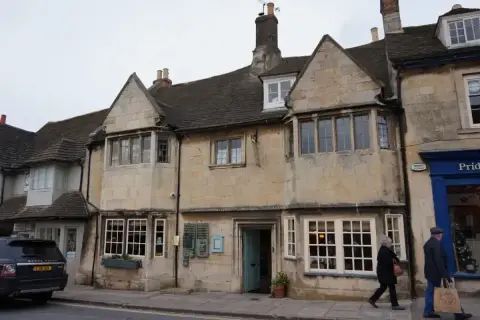
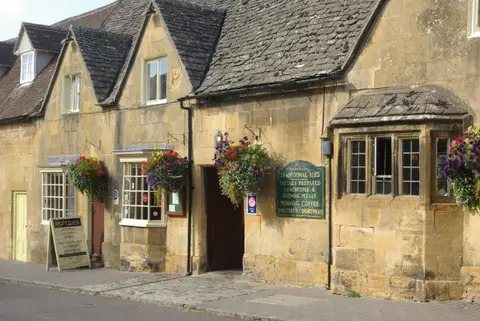
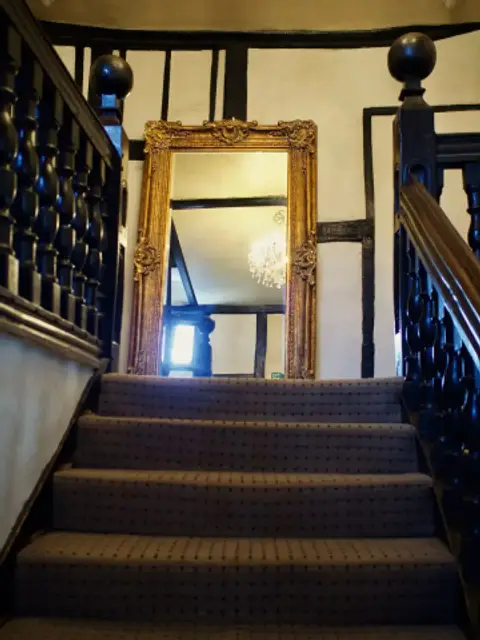
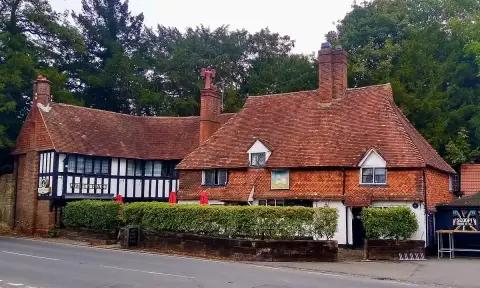
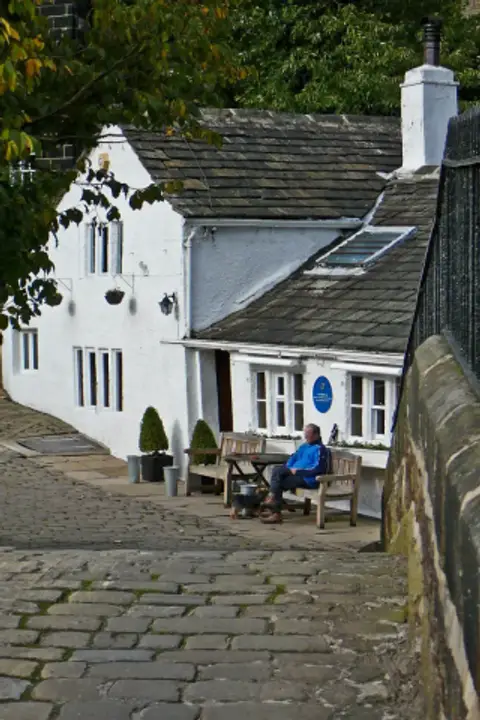
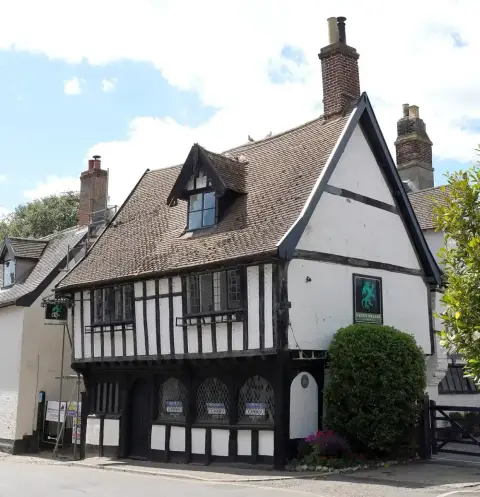
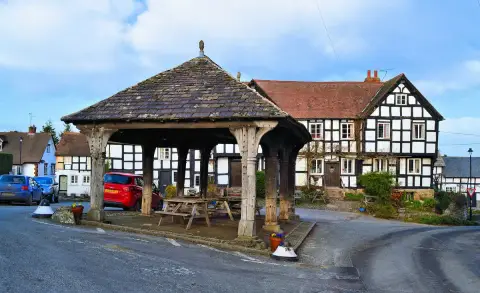
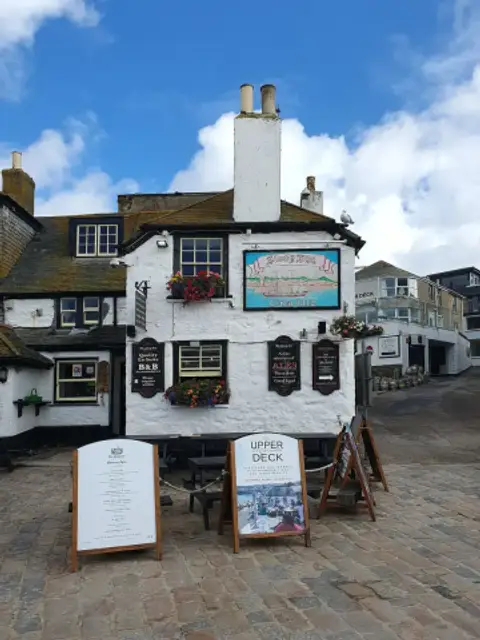
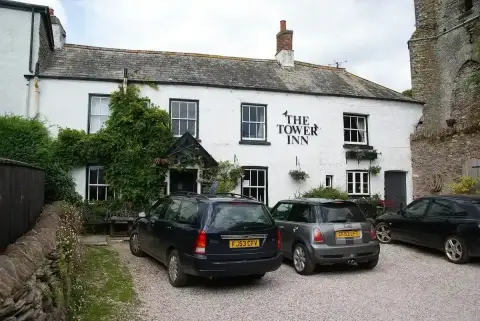
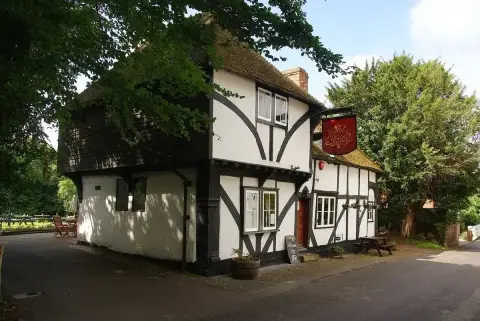
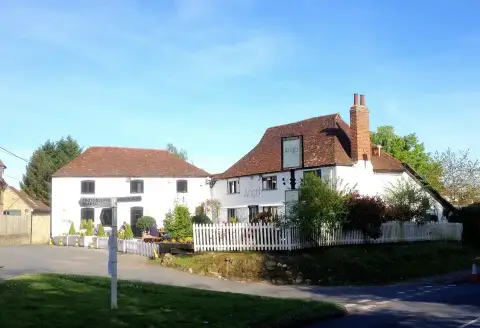
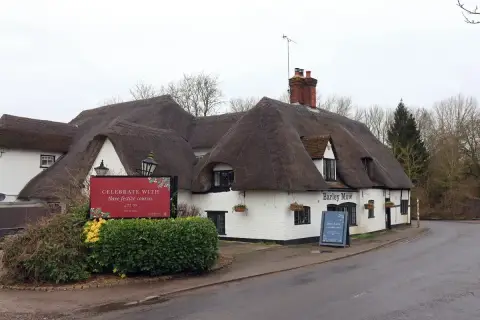
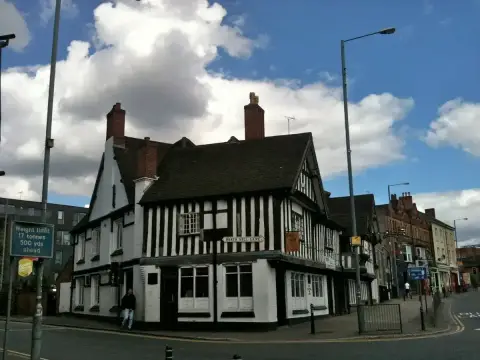
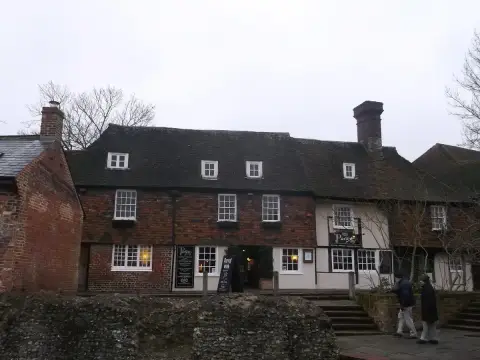
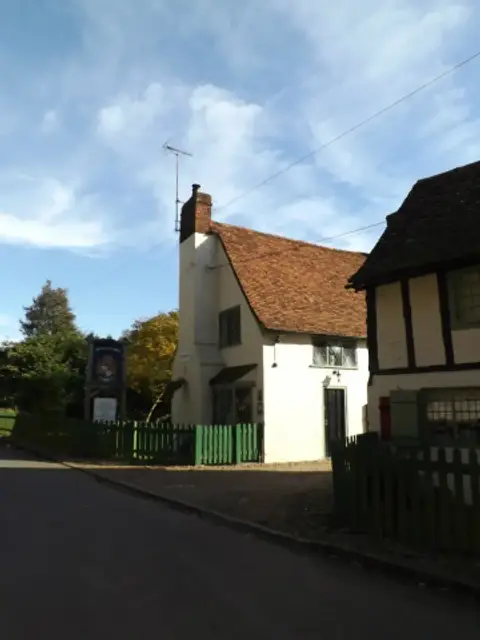
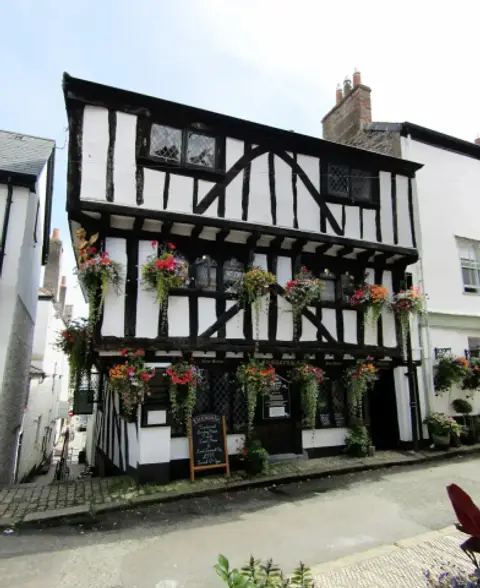
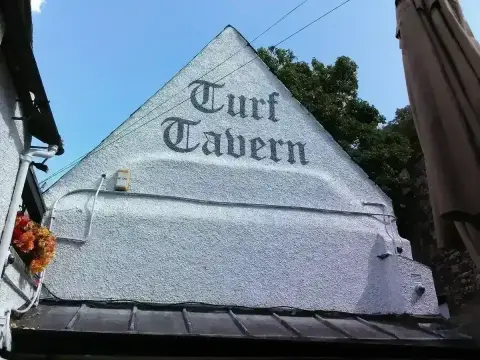
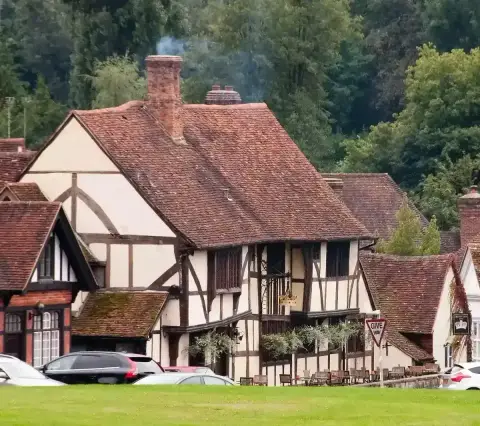
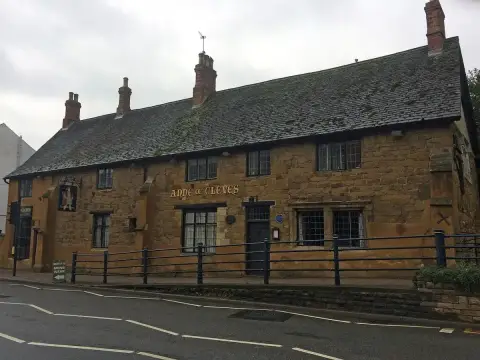
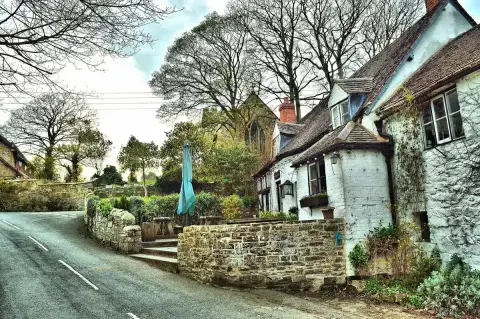
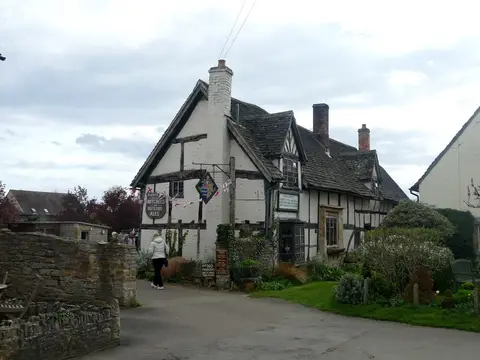
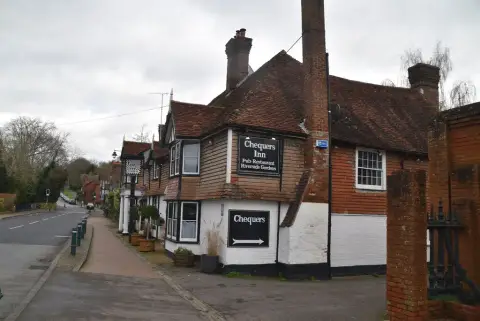
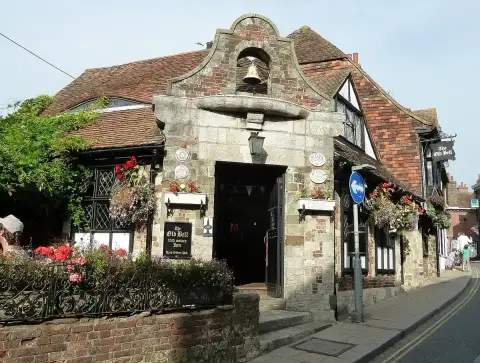
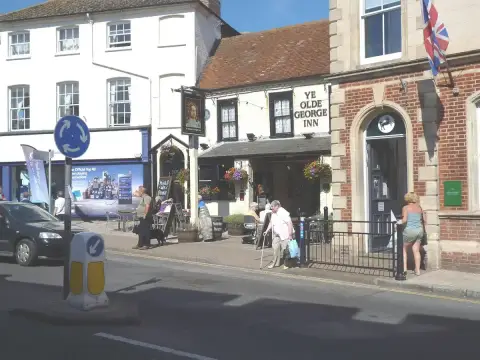
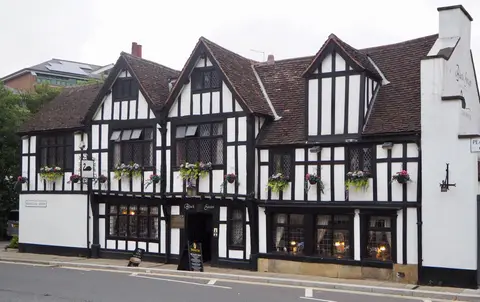
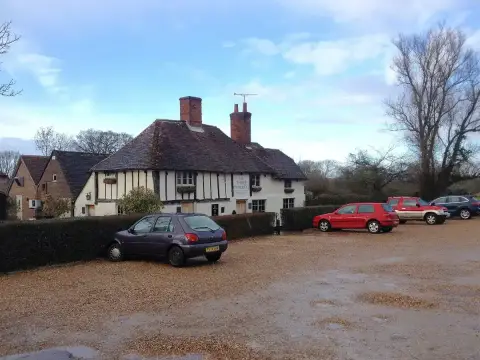
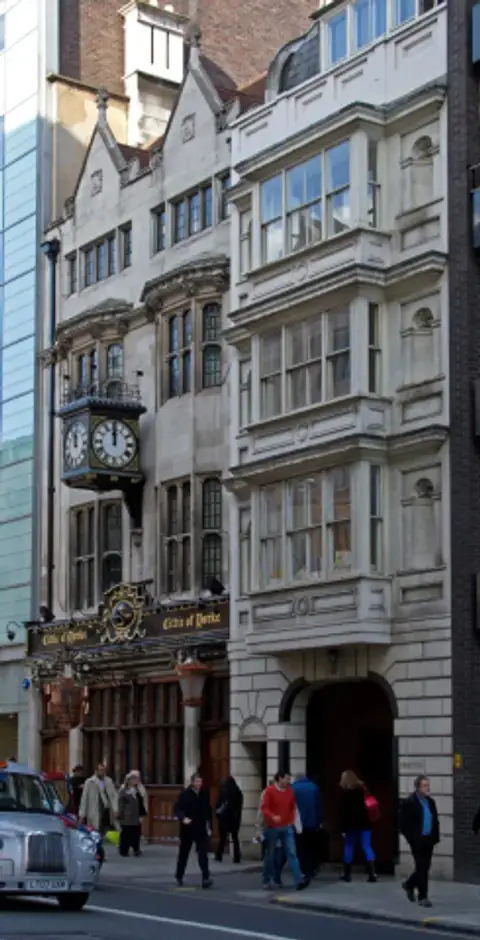
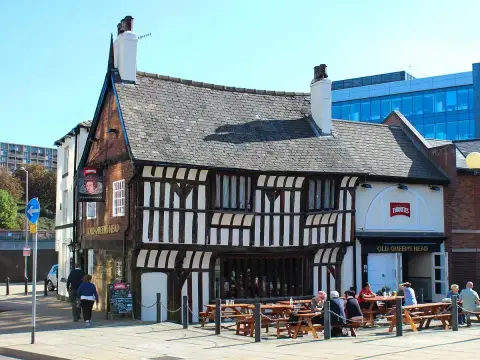
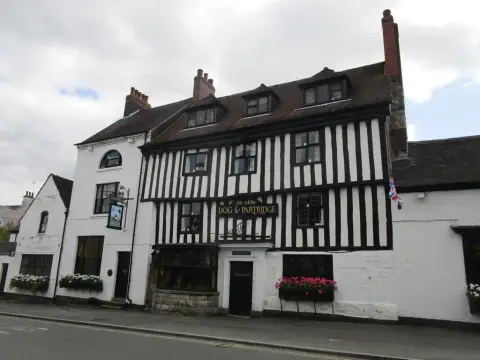
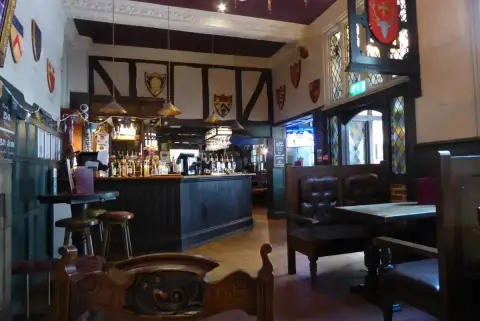
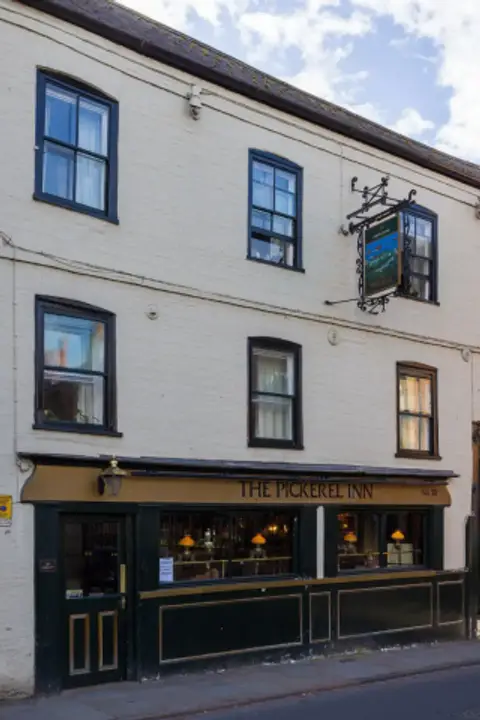
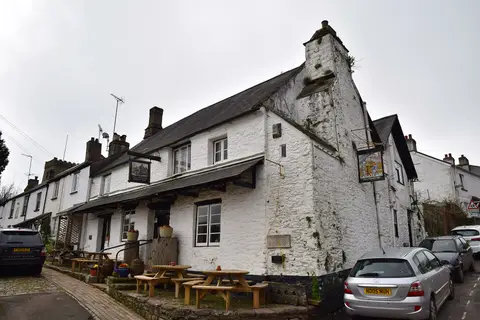
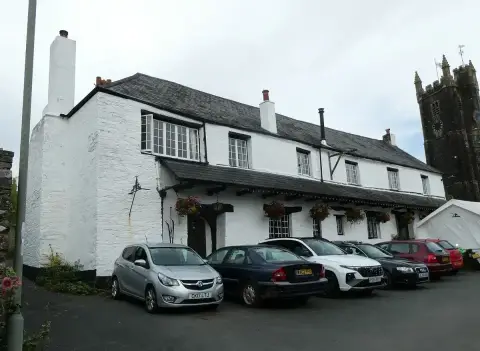
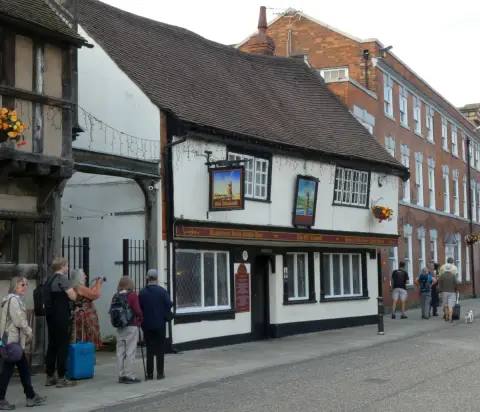
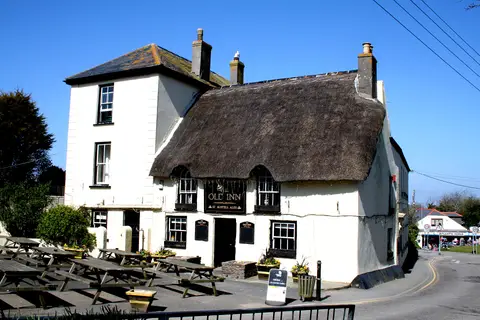
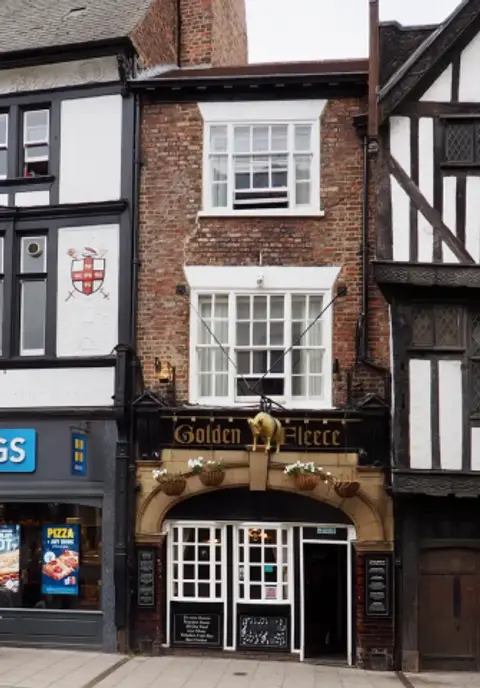
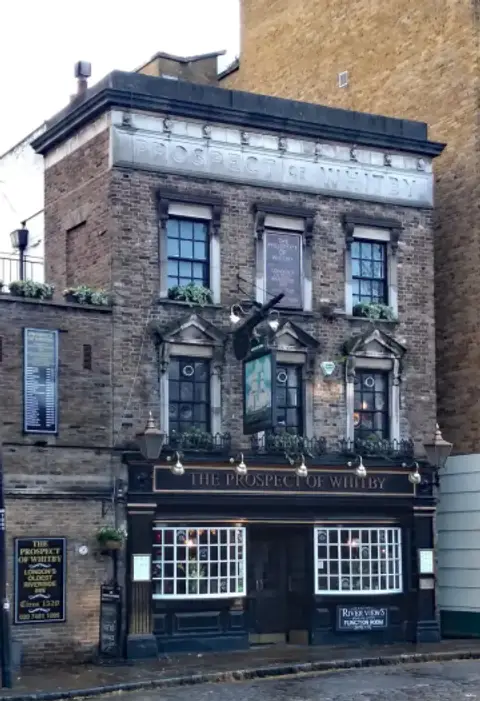
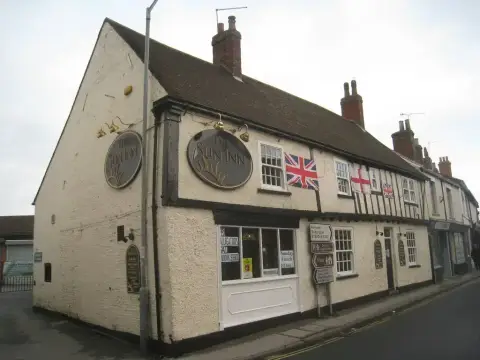
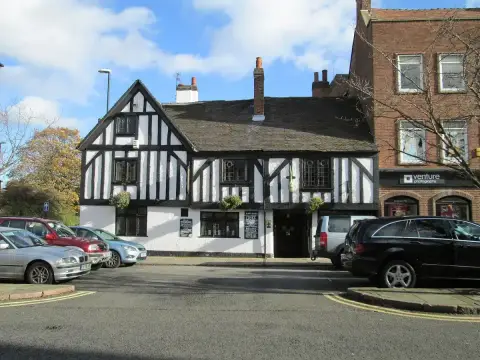
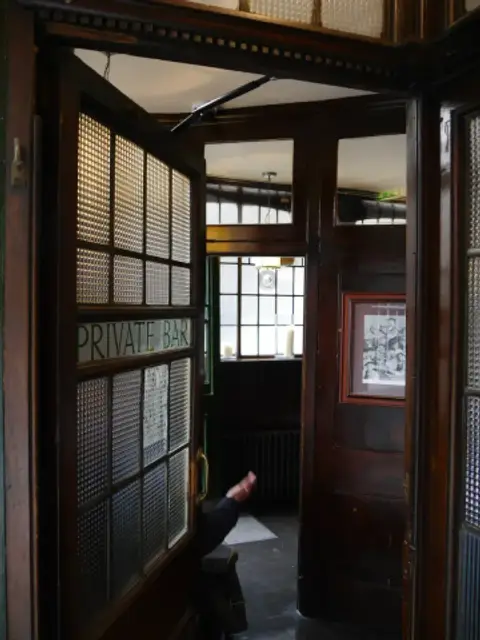
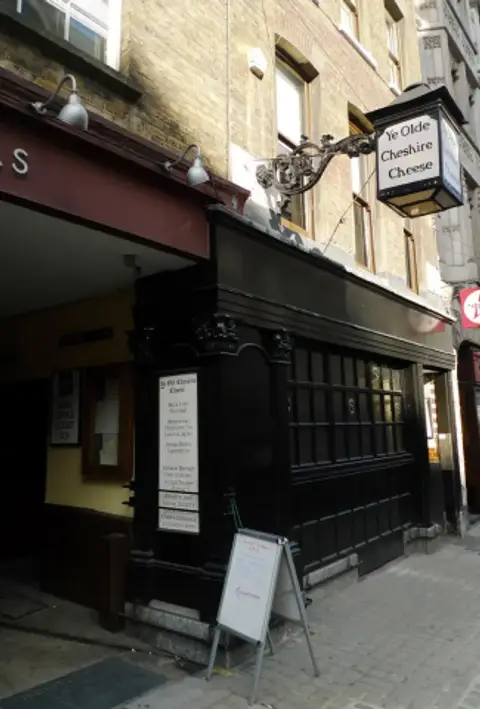
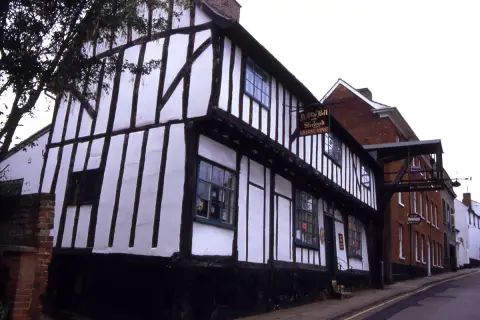
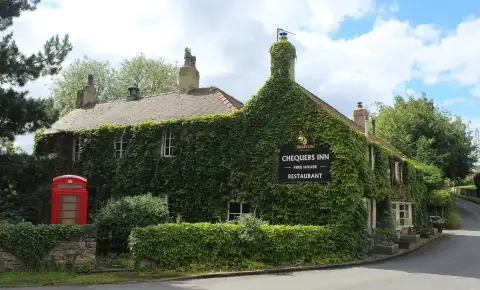
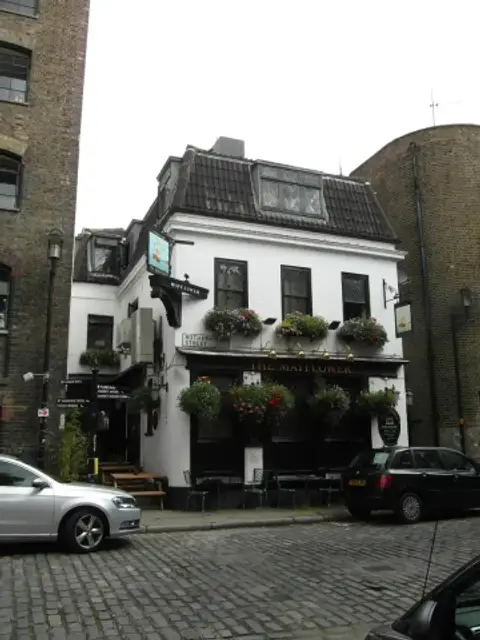
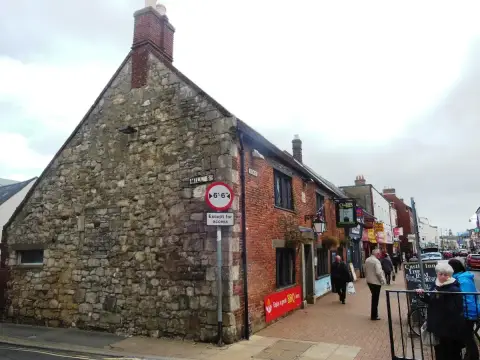
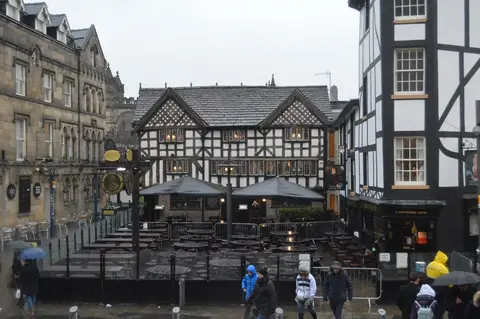
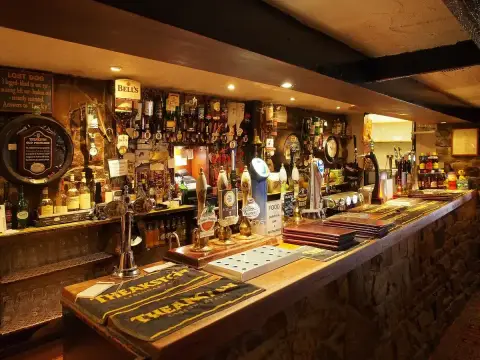
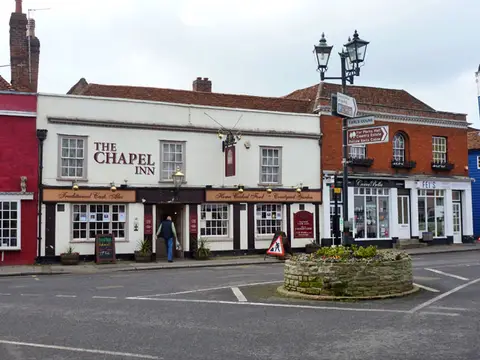
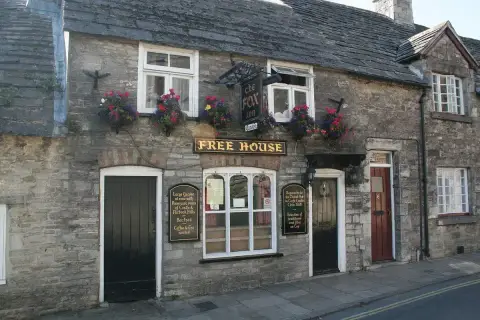
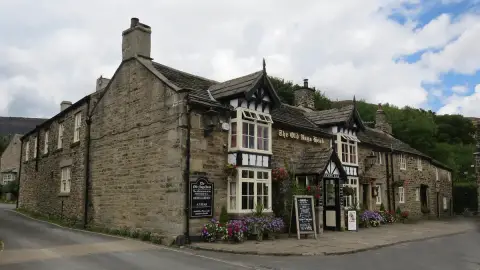
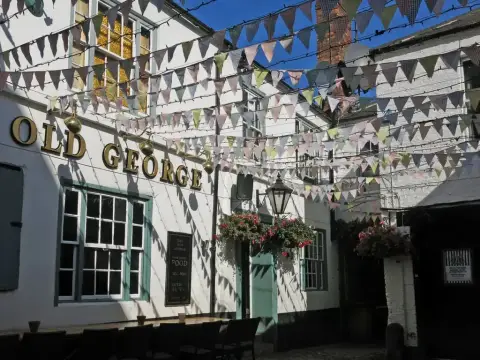
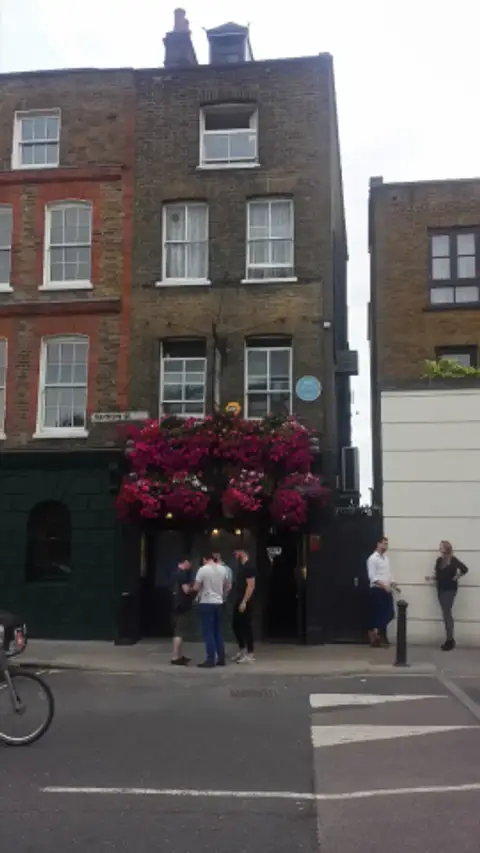
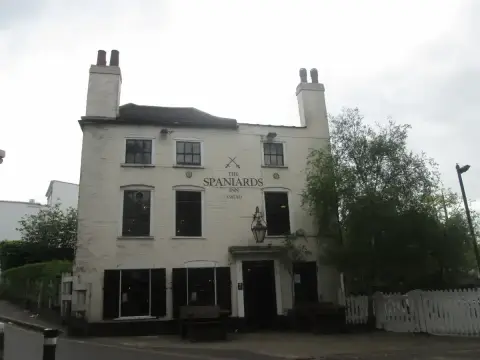
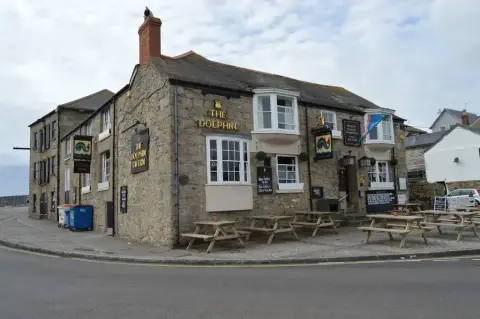
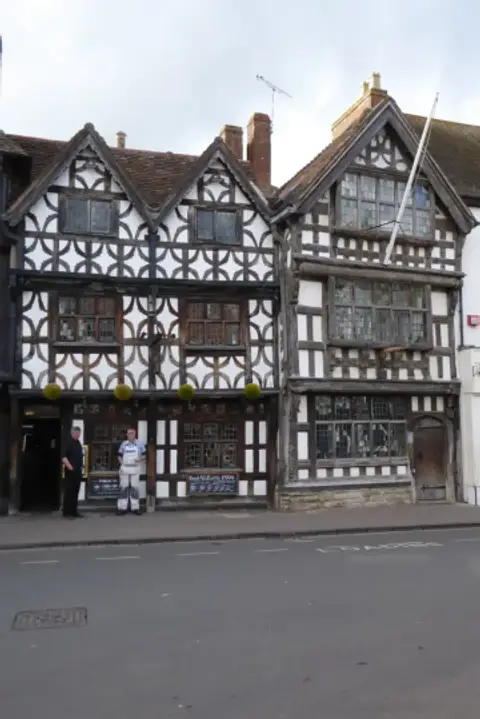
The photographs above are other people's work, used under open licences, or in the public domain. Every photographer, licence and source page is named in the image credits.

London

What is London’s oldest pub, really?

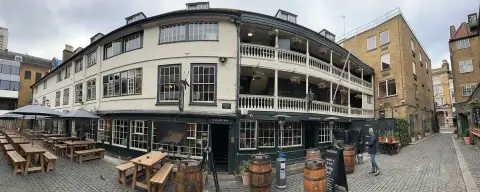
Historic England's 2025 review of London's oldest-pub claims gives the strongest one to the George Inn in Southwark, recorded as an inn on a map of about 1542 and rebuilt in 1677 after the Southwark fire. Almost every other famous London date turns out to be later than advertised, and several of the buildings were not pubs at all when their sign says they were.

Oldest pubs in London Walk them

Common questions

Which is the oldest pub in England still open?
Every pub on this page was trading when we last checked in September 2026. By claim the oldest is the Old Ferry Boat Inn at Holywell, which says AD 560. By record it is the George Inn at Norton St Philip, built for the Carthusians of Hinton Priory and dated by tree rings to 1430–32.
Does Historic England name an oldest pub?
Not a single winner. Its 2022 review of the famous claims found the Saxon dates unsupported and pointed instead to about a dozen surviving medieval inns, "the oldest" of which "dates from the late 14th and 15th centuries". It gives the George Inn at Norton St Philip the strongest claim.
Why do so many English pubs claim Saxon or Norman dates?
Largely because no document exists to contradict them. Several of the best-known dates have been traced to the age of the picture postcard rather than the Middle Ages: Historic England found the Fighting Cocks' AD 793 on an early-twentieth-century postcard, and the Trip's 1189 in signage of about 1910.
What is the oldest pub building in England?
A different question, and one with a tidier answer. The George Inn at Norton St Philip is Grade I listed and tree-ring dated to 1430–32. Older fabric survives in buildings that became pubs much later, such as the fourteenth-century Wealden hall occupied by the Parrot in Canterbury, a pub only since 1987.