11 pubs checked · updated 18 September 2026

The oldest pub in London

The short answer

Oldest claim

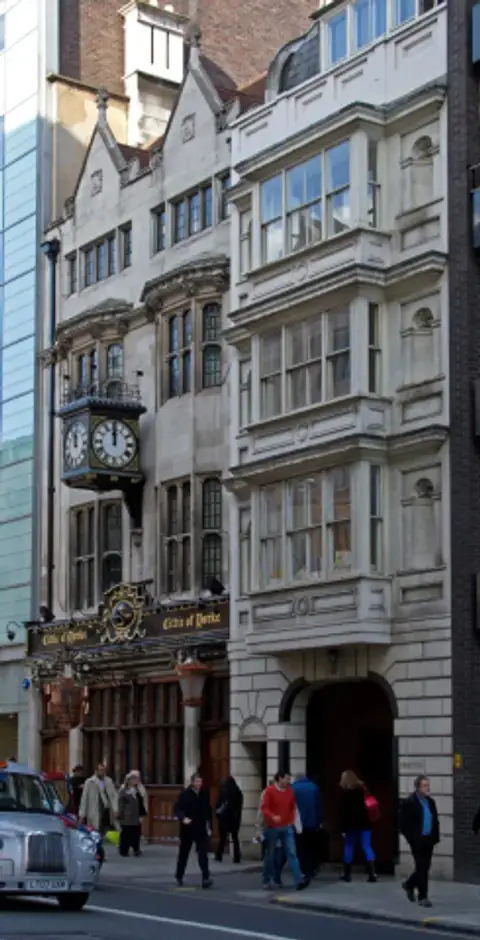
Cittie of Yorke

Says 1430. No document from that date has been found.

Grade C · Tradition

Oldest proof

The George Inn

On record from 1542; the building is dated to about 1677.

Grade A · Documented

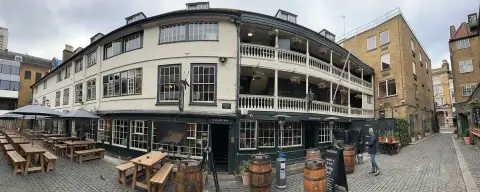
By claim, the oldest pub in London is the Cittie of Yorke in High Holborn, which says a tavern has stood on its site since 1430; what survives is a theatrical 1920s rebuild over seventeenth-century cellars. By evidence it is the George Inn in Southwark, named as an inn on a map of about 1542 and rebuilt in 1677 after the great Southwark fire. Historic England gives it "the best claim to be London's oldest pub".

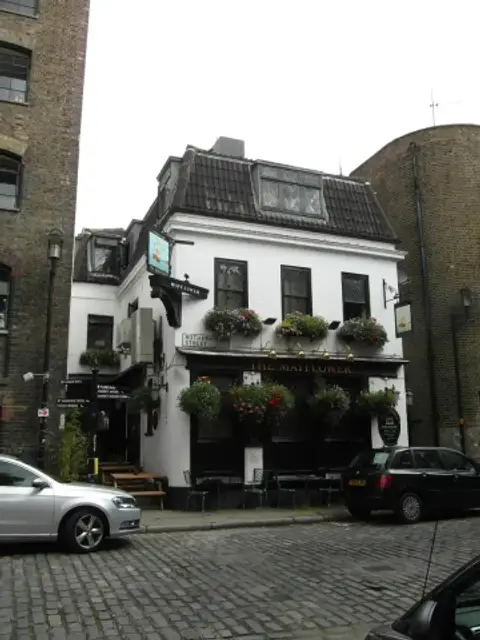
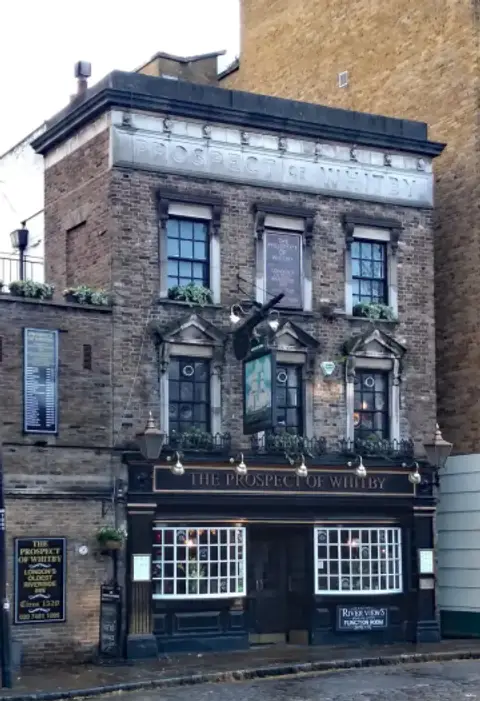
London's problem is fire, and after that bombing. The Great Fire of 1666 took the City's taverns wholesale, the Southwark fire of 1676 took most of the great galleried inns of Borough High Street, and the Blitz accounted for a good deal of what stood along the river. So the honest London question is not which pub is oldest but which site has been in continuous drinking use longest, and how much of the room you are standing in is original. Historic England's 2025 review of the capital's claims makes the point again and again: the Prospect of Whitby's 1520 foundation first appears in print in the 1950s, Ye Olde Mitre's 1546 belongs to a house established in the 1770s, and the Mayflower's earliest fabric dates from the 1780s under a different name altogether. What London does have is depth of another kind — cellars, courts and alleys that have held a bar for three or four centuries, and interiors from the 1890s and 1920s good enough to be protected in their own right.

Fleet Street, Holborn and Smithfield

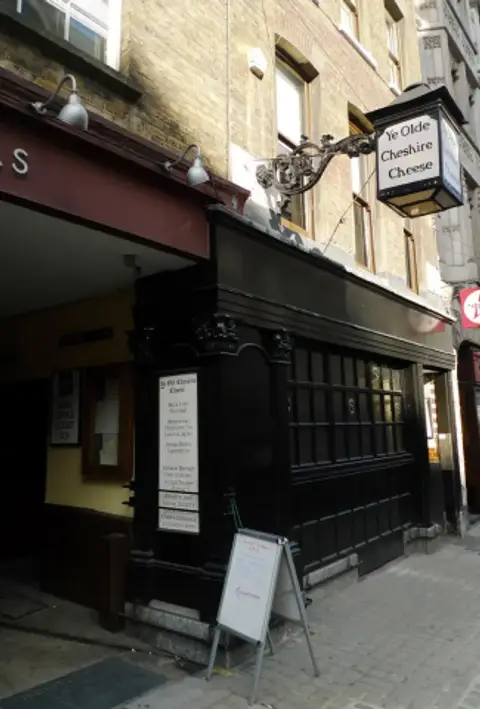
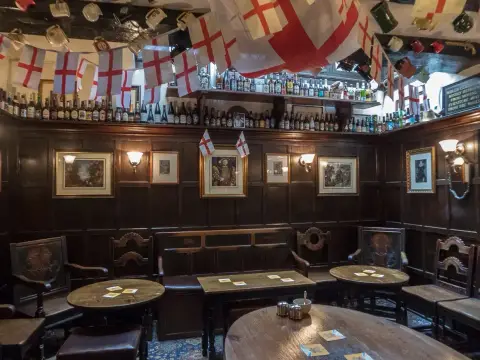
The cluster of famous old pubs west of the City is a cluster of rebuilds, and much the better for knowing it. Ye Olde Cheshire Cheese went up around 1667 in the wake of the Great Fire and was trading under its present name by 1680; its vaulted cellars may be older than the rooms above. Ye Olde Mitre belongs to the 1770s redevelopment of the Bishop of Ely’s estate, with licensees recorded from 1791, and keeps a preserved cherry-tree trunk said to mark an old boundary. The Cittie of Yorke hides a baronial hall of the 1920s behind a narrow frontage. Hand & Shears near Smithfield is a mid-nineteenth-century corner house with an 1896 fitting-out, and its multi-room plan is one of the best survivals of its kind in London.

Along the river

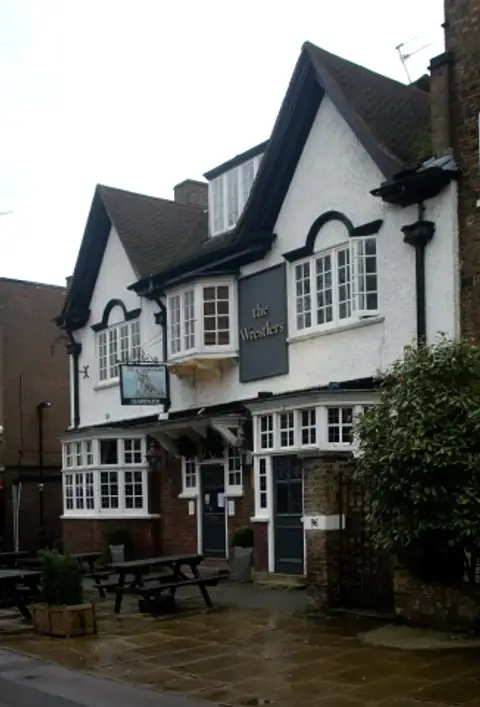
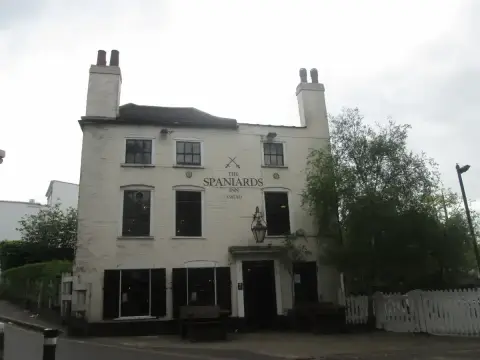
The Thames-side pubs carry the boldest dates and the youngest buildings, which is not a coincidence: romance sells better beside water. The Prospect of Whitby at Wapping, the Mayflower at Rotherhithe and the Grapes at Limehouse are all worth the journey, and all of them are Georgian or later. Further out, Spaniards Inn on the edge of Hampstead Heath is traditionally dated 1585 with a documented history from the eighteenth century, and the Wrestlers in Highgate still performs the Swearing on the Horns twice a year in a building rebuilt in 1921. The full argument is in what is London’s oldest pub, really, there is a route through them in the London oldest pubs walk, and the background is in our guide to what a coaching inn was.

London

OpenFreeMap · © OpenMapTiles · Data © OpenStreetMap contributors

Open the full map

The contenders, oldest claim first

Order the contenders
  1. London, England

    The claim is made on the pub's own sign — 'Established as the site of a public house in 1430' — which On London quotes; Samuel Smith's, which runs the house, publishes no date on its website. The claim is not supported by a cited record. The cellars are associated with a 17th-century coffee house and the present building is a 1920s Tudor-style rebuild.
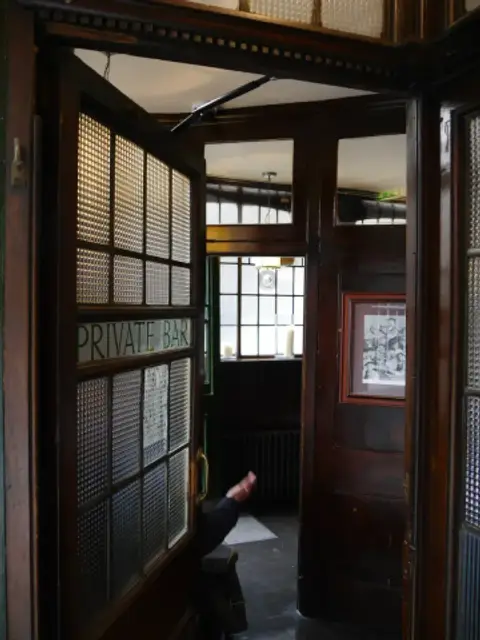
    Claims 1430; no early record found; building c.1923.
  2. London, England

    Historic England notes that references to a 1520 foundation did not appear until the 1950s and "may have been related to a marketing campaign rather than historical research"; the building is of the 18th and 19th centuries. The statutory list entry itself was read on 17 September 2026 and hedges in the same direction. Entry 1357505, first listed on 29 December 1950 at grade II, describes No 57 Wapping Wall as a

    Claims 1520; no early record found.
  3. London, England

    The 1532 is the pub's own, lettered across the top of its website as 'The Hand & Shears, est. 1532'. It is not supported by a published record, and CAMRA's note of a Smithfield link going back to 1123 is not either; the listed building is mid-19th century with an 1896 interior.

    Claims 1532; no early record found; building c.1896.
  4. London, England

    The claim is the pub's own: its about page says a pub has stood here since 1538 and that the medieval house was rebuilt in about 1667 after the Great Fire. Historic England finds no evidence for 1538; the earliest reference to the Cheshire Cheese is a broadside ballad published in 1680, consistent with rebuilding after the fire. The statutory list entry, read on 17 September 2026, puts a date on the fabric for the

    Claims 1538; first recorded 1680; building c.1667.
  5. London, England

    The c.1542 comes from Historic England's public history writing rather than from the inn, which claims only the 16th century: Heritage Calling gives the earliest known reference to an inn on the site as a map of Southwark made around 1542, and notes John Stow's later list of 'many fair inns'. The surviving galleried range was rebuilt in 1677 after the 1676 fire; two other wings were demolished in 1889 for railway

    Dated 1542 in the press; first recorded 1542; building c.1677.
  6. London, England

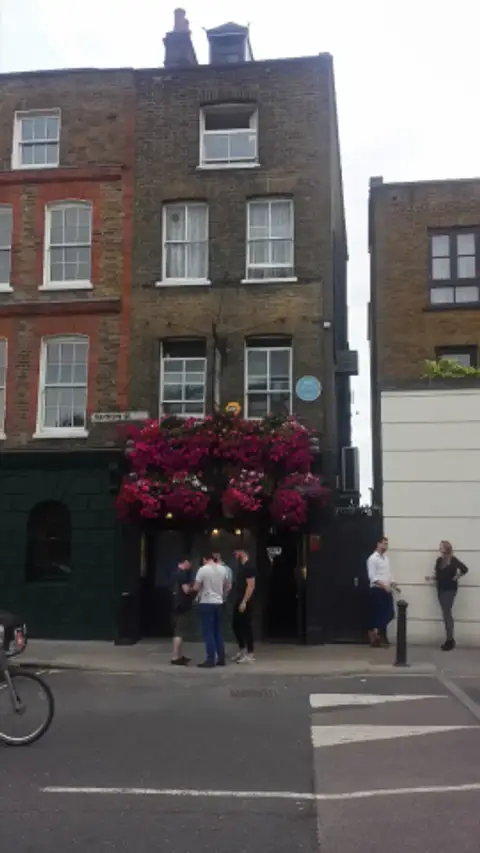
    The claim is the pub's own: its about page says the Mitre was built in 1546 for the servants of the Bishops of Ely. Historic England shows the current building dates from the 1770s redevelopment, with licensees recorded from 1791.

    Claims 1546; first recorded 1791; building c.1772.
  7. London, England

    CAMRA repeats the tradition of an establishment here in 1547, but no documentary source is given; the present building dates from 1921. The 'Swearing on the Horns' custom is said to date from 1623. Historic England's list was searched around the pub on 17 September 2026 and has nothing for it. Twenty-three entries stand within two hundred metres of 98 North Road, among them the Bull Inn a little way along the same

    Claims 1547; no early record found; building c.1921.
  8. London, England

    The c.1550 belongs to History Hit, whose page on the pub says it was established in 1550. The pub states no year of its own: its website calls itself the oldest pub on the River Thames and its history page reaches back only as far as the seafarers who bought a pint and a postage stamp here in the 1800s, when the house was the Spread Eagle and Crown. Historic England's Heritage Calling finds no continuity with 1550 —

    Dated 1550 in the press; first recorded 1780.

The photographs above are other people's work, used under open licences. Every photographer, licence and source page is named in the image credits.

Common questions

Which is the oldest pub in London?
The George Inn in Southwark, on the evidence. An inn is named on its site on a Southwark map of about 1542 and Historic England considers this the best claim in the capital. The surviving galleried range was rebuilt in 1677, and the pub has belonged to the National Trust since 1937.
Which is the oldest pub in London still open?
All eleven pubs on this page were trading when we last checked. The George in Southwark has the earliest documented use of its site. Ye Olde Cheshire Cheese has the earliest reference under its present name, in a broadside ballad published in 1680, in a building put up around 1667 after the Great Fire.
Is the Prospect of Whitby really from 1520?
Historic England notes that references to a 1520 foundation do not appear until the 1950s and "may have been related to a marketing campaign rather than historical research". The building is of the eighteenth and nineteenth centuries. The pewter-topped bar, stone flags and river terrace are entirely genuine, and both Turner and Whistler sketched the spot.
What happened to London's galleried coaching inns?
Almost all of them were demolished. The George in Southwark lost two of its three wings in 1889, when the railway wanted the land for warehousing, leaving the single galleried range that survives today as the last of its kind in London. Our guide to coaching inns explains what the type was built to do.