The claim
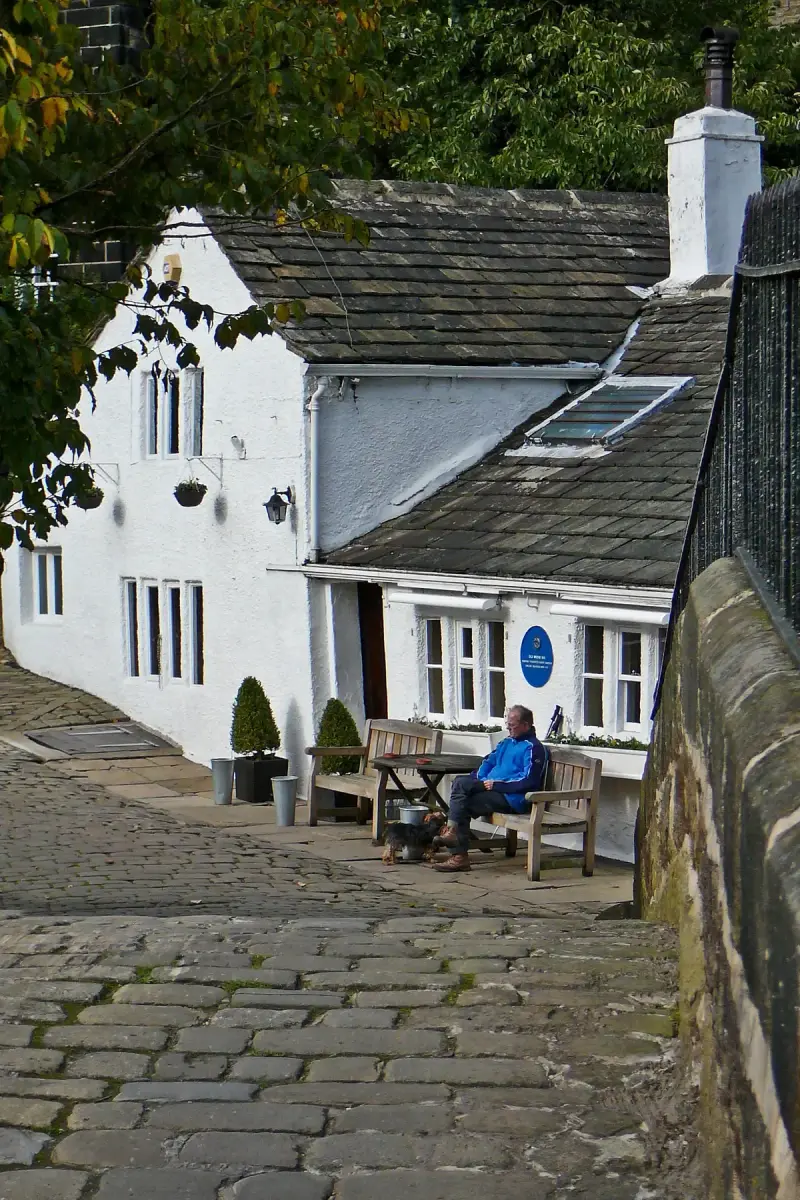
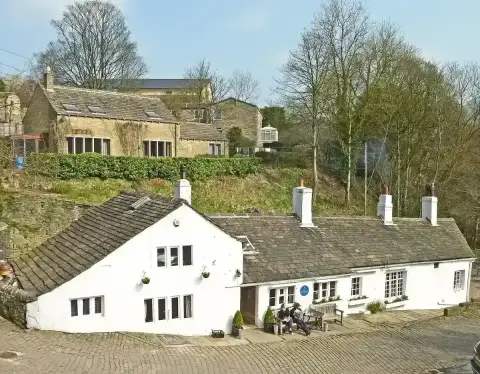
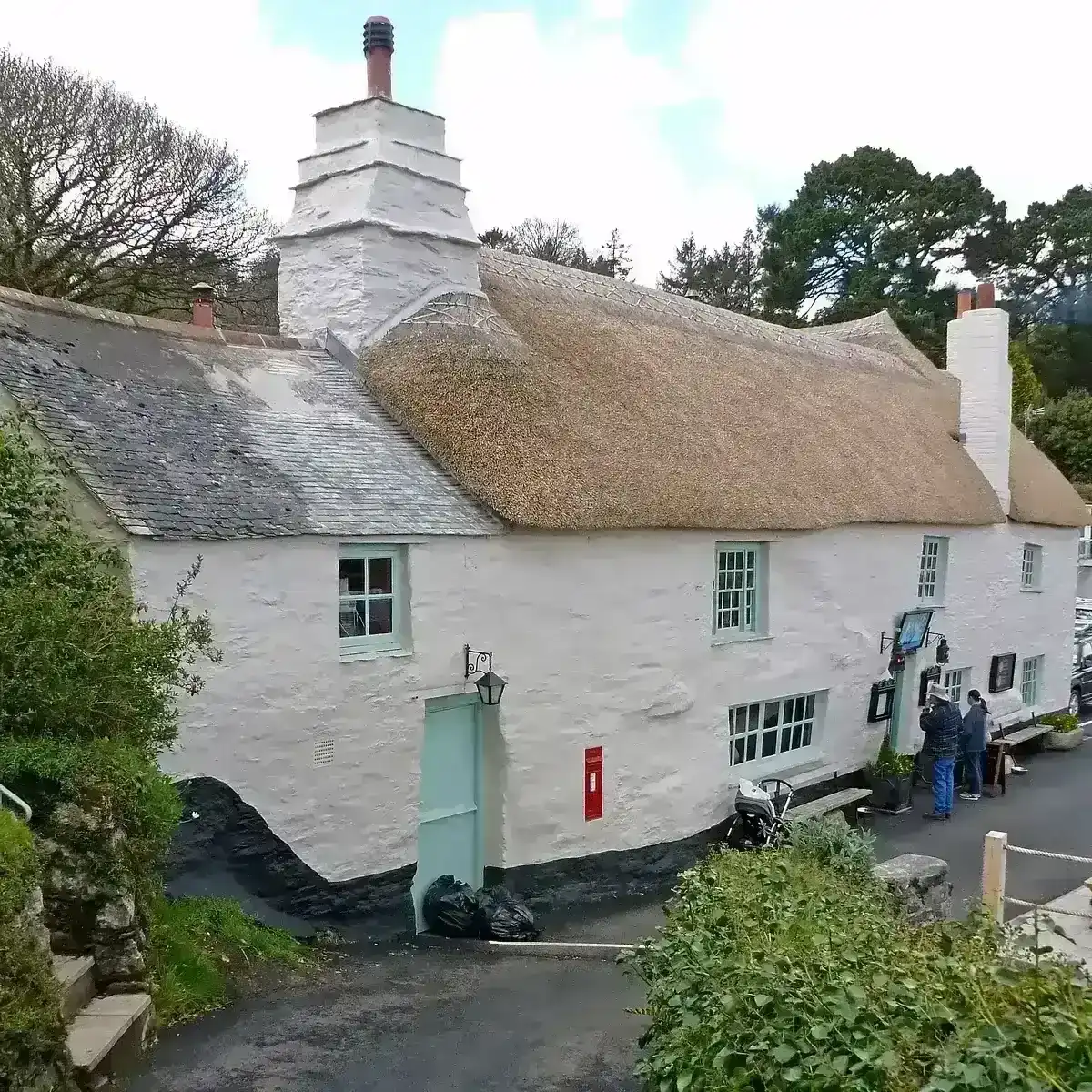
Tucked beside the River Ryburn and a 16th-century packhorse bridge, this low stone inn hides a timber cruck frame and oak panelling behind an 18th-century face. It dates its story to 1307, though the first landlord on record served in 1754. Expect upper and lower bars, cask ale and hearty food.
What the records show
The pub cites a 1307 record of the site's yeoman-clothier owners. Historic England lists the first recorded landlord as John Hurstwood in 1754, with a 16th-century cruck truss and 17th-century panelling inside, so the fabric is old but pub use is only documented from the 18th century. A commercial directory confirms it independently: Edward Baines's directory of the county of York (1822) lists John Schofield as victualler at the Old Bridge, one of four licensed houses named in the village that year, which is the house trading under its present name and nothing earlier.
| Year | What | Source |
|---|---|---|
| 1307 | Claimed founding | The pub |
| 1754 | First record of a drinking house here | Historic England |
What to look for inside
- Next to Ripponden's 16th-century packhorse bridge
- Internal cruck truss c. 16th century
- Octagonal font found during excavation kept inside
- Restoration in 1882 reportedly uncovered some 250 layers of whitewash
Visiting
The Old Bridge Inn is in Ripponden, England, at Priest Lane, Ripponden, Sowerby Bridge HX6 4DF. We do not list opening times, because they change; the pub’s own site is the place to check before you set out.
Sources
- theoldbridgeinn.co.uk/about/
- camra.org.uk/pubs/old-bridge-inn-ripponden-177730
- historicengland.org.uk/listing/the-list/list-entry/1232389
- www.examinerlive.co.uk/news/history/family-charge-one-yorkshires-pubs-21931600
- ratings.food.gov.uk/business/1548050
- archive.org/details/historydirector00baingoog
Know something we don’t?Suggest a correctionLast checked Sept 2026
Run this pub? There is a badge for it
Free to put on your own site, no permission needed. It shows what the pub claims and what the records support, and it changes when the data does.
How to use it, and how to change what it says — if you have a document we have not seen, we would like to read it.
.jpg)
.jpg)