The Edinburgh historic pub walk is a self-guided route of 4.97 km between 3 old pubs, about 1 h 6 min walking, with a GPX file to follow. The Sheep Heid Inn makes the oldest claim on it, 1360, and no stop on the walk yet has a document from at or near the date it claims.
The distance is the walked street route, not the straight line. These are history walks, not a drinking challenge: take it slowly, drink water between stops, and leave a pub out if the day is getting long.
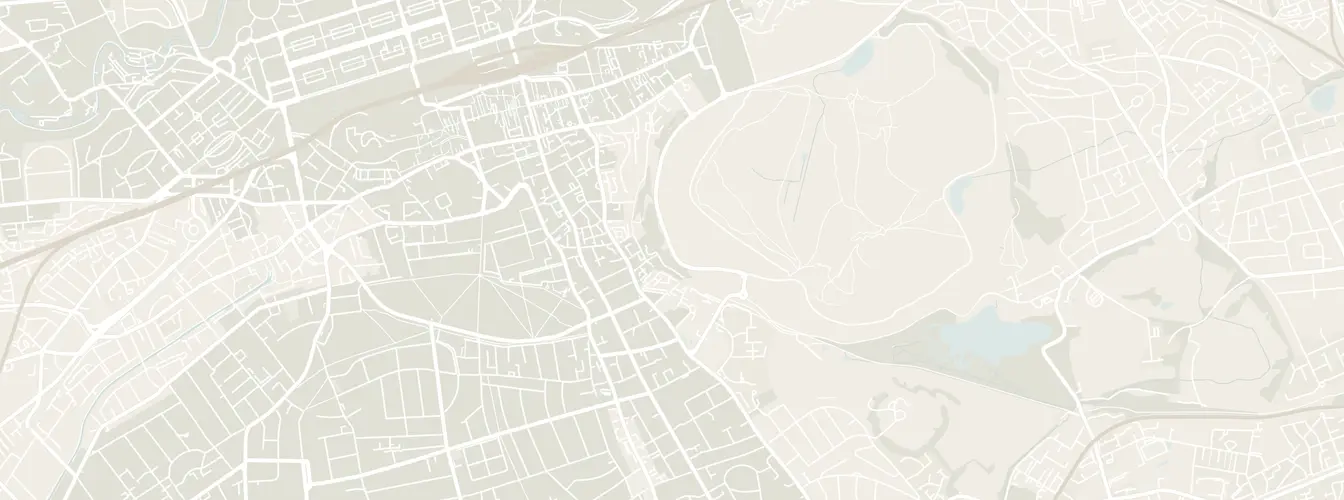
Edinburgh’s oldest pub claims. Three of the loudest claims in Scotland — about 1360, 1456 and 1516 — with no document behind any of them. The route runs east from Bruntsfield Links to the Grassmarket under the Castle rock, then out past Arthur's Seat to the village of Duddingston. Two stops close together and one long leg, so most of the walking is the last 3.8 kilometres.
Facing Bruntsfield Links, one of the oldest places where golf has been played, the Golf Tavern claims origins in 1456 and fills its walls with golfing memorabilia. The date reflects local golfing lore rather than any documented alehouse, and the national designations cover its neighbours on Barclay Place but hold no entry for the tavern. Treat the claim as legend.
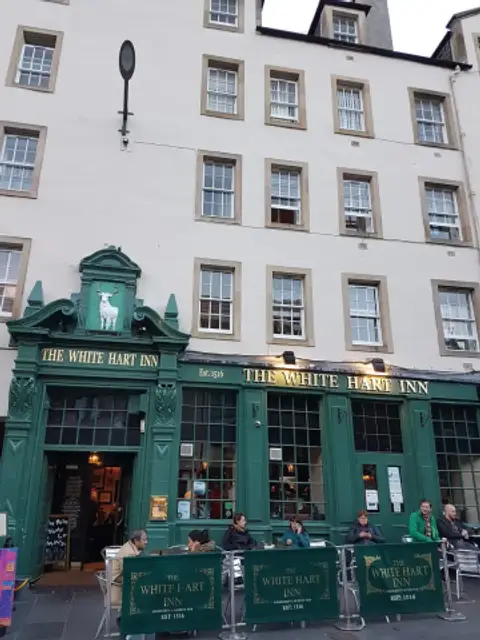
On the north side of the Grassmarket beneath the Castle rock, the White Hart claims records back to 1516 in its cellars, though the building above dates from about 1740. Robert Burns stayed in 1791 and Dorothy Wordsworth in 1803. It is a compact, beamed bar with live music nightly and plenty of stories about bodysnatchers and ghosts.
Claims 1516; no early record found; building c.1740.
43-45 The Causeway, Duddingston, Edinburgh EH15 3QA
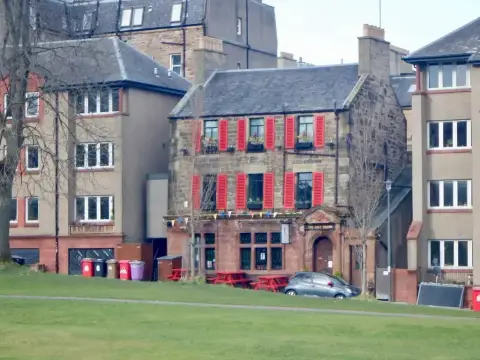
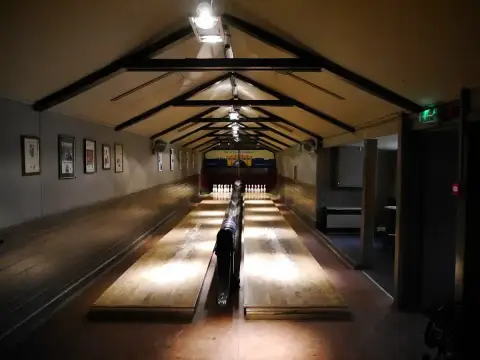
In the village of Duddingston below Arthur's Seat, the Sheep Heid Inn claims to have served drinkers since about 1360, making it a contender for Scotland's oldest pub. The listed building is mainly eighteenth-century, with a courtyard and an 1880s skittle alley still in use. Royal visitors range from legendary James VI to Queen Elizabeth II in 2016.
Edinburgh’s three oldest claims are claims about drinking, and the only dated evidence on the
walk is about buildings.
The Golf Tavern puts 1456 on itself. The date comes from
secondary lists and attaches to the traditions of golf on Bruntsfield Links rather than to a
licence, a deed or a directory entry, and none of those has been traced for the house. Historic
Environment Scotland’s designations were searched around Wright’s Houses in September 2026:
twenty-six listed buildings stand within a hundred and fifty metres, among them the tenements at
1-19 Barclay Place next door and the Barclay church opposite, and there is no entry for the
tavern. So nothing official dates these walls either.
The White Hart Inn is the one stop whose claim appears in
an official document, and even there it appears without a source: the statement of special
interest for 30-40 Grassmarket, category B, says records of the inn go back to 1516 and names
none of them. The tenement above the cellars is about 1740, built by James Lithgow, damaged in a
Zeppelin raid in 1916 and restored in 1994-5. Robert Burns stayed in 1791 and Dorothy and Mary
Wordsworth in 1803, and both are well attested.
The Sheep Heid, in Duddingston, claims about 1360 and has
nothing documentary behind it at all. Its listed building is essentially eighteenth-century, and
Anthony Cooke’s history of the Scottish pub finds no surviving purpose-built inn in the country
older than the seventeenth century.
For a drinking date in Edinburgh with a record under it you have to go down to Leith, where
the King’s Wark stands on ground that James VI granted to
Bernard Lindsay in 1613, licensing four taverns within the buildings. The rest of the city’s
contenders are compared at the oldest pubs in Edinburgh, and
the national picture is at the oldest pubs in Scotland.