The claim
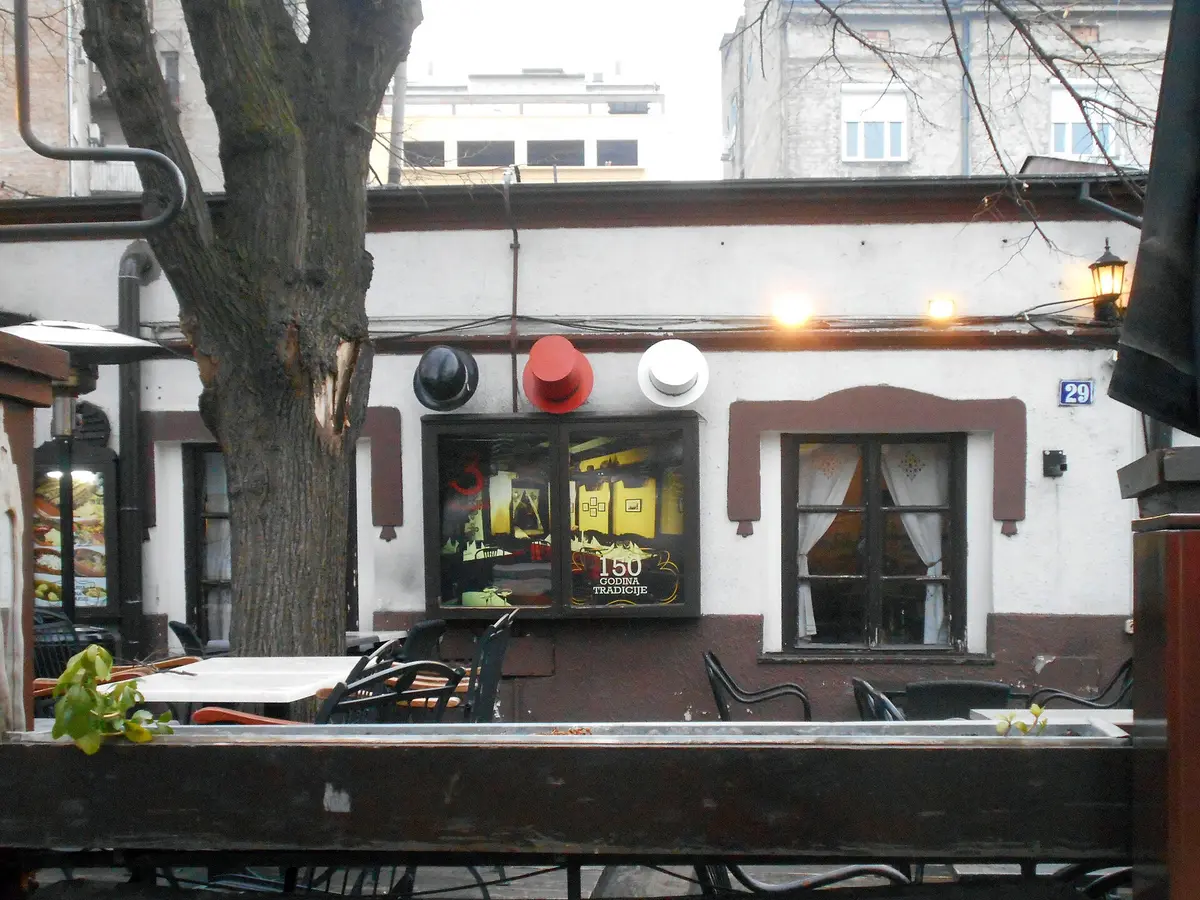
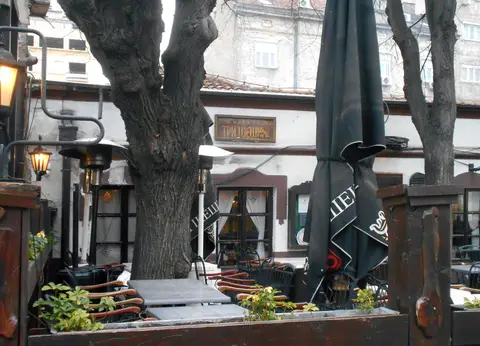
A kafana on the cobbles of Skadarska, opened in 1864 in a room that had been a hatter's workshop and took the shop's three tin hats for its sign. Belgrade's Stari Grad municipality tells the same story, and puts the Dva Jelena across the street a couple of years earlier. Politika celebrated its first issue here in 1904. Serbian cooking, music and a two in the morning close.
What the records show
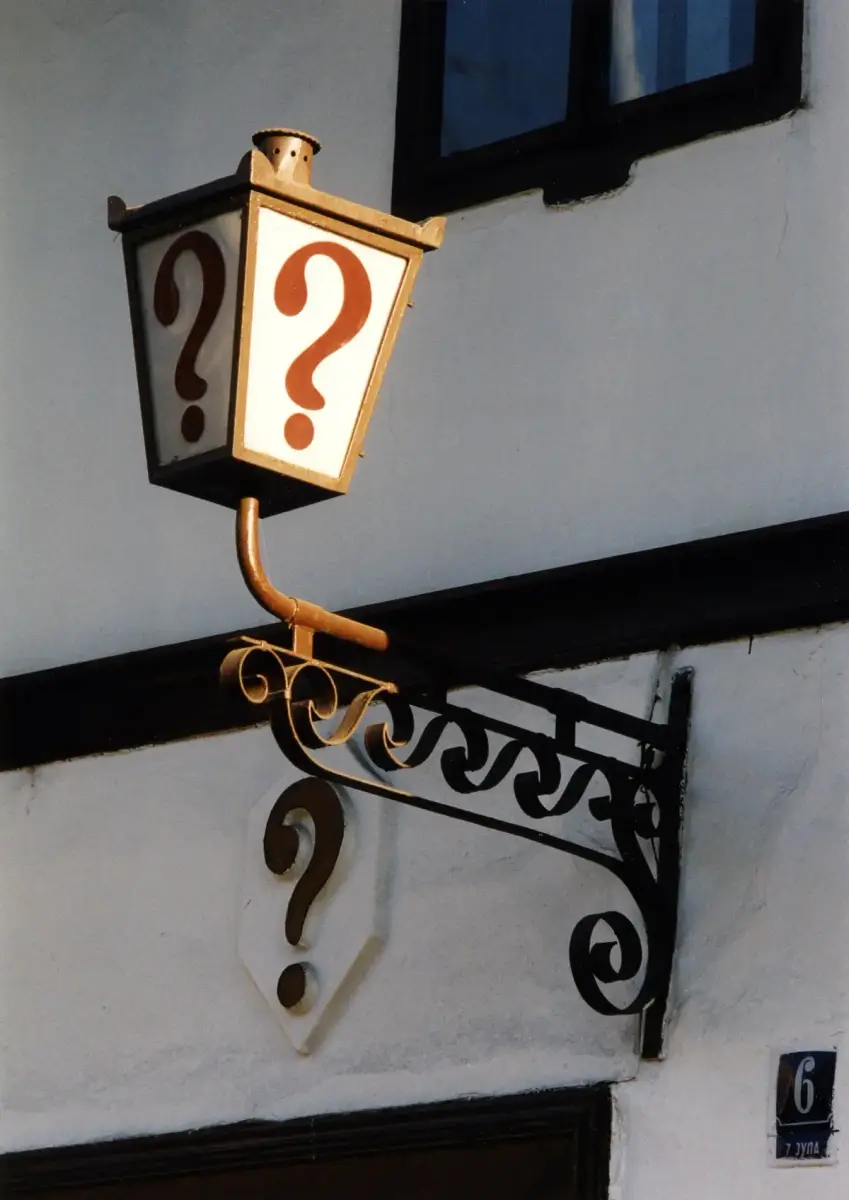
The year is the house's own, printed as 1864 through its front page, and two publishers beyond the house now tell the same story. Serbian Wikipedia records a kafana opened in 1864 in a room that had held a hatter's workshop, whose three tin hats gave the house its name and its sign. The Stari Grad municipality, the Belgrade local authority Skadarlija stands in, publishes the same sequence on its own heritage pages and names the hatter — a master called Dimović, who hung the three tin hats at his door in place of a painted sign. Nothing documentary has been read behind 1864, so this is still a C. Two things the municipality adds are worth a reader's attention. It dates the kafana across the street, the Dva Jelena, to about 1862, which sits awkwardly against the encyclopaedia's description of the Tri Šešira as the oldest kafana in Skadarlija; the two houses stood in different quarters of the city, divided by the open drain that ran down the middle of the lane and turned into a torrent in heavy rain, this one on the Dorćol side and the Dva Jelena on the Palilula. And it states that the oldest house still standing in the street, known for its owner Vladan Štiha and built before 1878, was joined to this kafana at a later rebuilding. The earliest dated occasion anyone puts inside these rooms is 1904: the daily Politika records that its first issue, printed on 25 January that year, was celebrated here, and that by some accounts the paper itself was thought of at one of these tables. That is the newspaper's own memory of its founding rather than a document read here, and it is forty years younger than the claim. Politika also dates the name Tri Šešira to 1872 rather than to the hatter's sign of 1864, which the municipality does not. The lane was first drawn on a plan of Belgrade in 1854 and officially named Skadarska in 1872. Trading in September 2026: the house publishes hours of eleven in the morning until two at night, seven days a week, and OpenStreetMap carries the same hours. Nobody we can read says in words that a visitor may drink here without eating, and the house takes table bookings, so that question is left open on the page; the late hours and a drinks card of its own are why it is published rather than held back.
| Year | What | Source |
|---|---|---|
| 1864 | Claimed founding | The pub |
| 1904 | First record of a drinking house here | Wikipedia |
What to look for inside
- Named for the three tin hats that hung over the door of the hatter's shop it replaced
- The night life of Belgrade moved here in 1901, when the Dardaneli kafana was pulled down
Visiting
Tri Šešira is in Belgrade, Serbia, at Skadarska 29, Skadarlija, Stari grad, Belgrade. We do not list opening times, because they change; the pub’s own site is the place to check before you set out.
Sources
- www.trisesira.rs
- sr.wikipedia.org/wiki/%D0%9A%D0%B0%D1%84%D0%B0%D0%BD%D0%B0_%D0%A2%D1%80%D0%B8_%D1%88%D0%B5%D1%88%D0%B8%D1%80%D0%B0
- www.starigrad.org.rs/bastina/skadarlija/
- www.politika.rs/scc/clanak/389478/Pogledi/Tri-sesira-kultna-kafana
Know something we don’t?Suggest a correctionLast checked Sept 2026
Run this pub? There is a badge for it
Free to put on your own site, no permission needed. It shows what the pub claims and what the records support, and it changes when the data does.
How to use it, and how to change what it says — if you have a document we have not seen, we would like to read it.