The claim
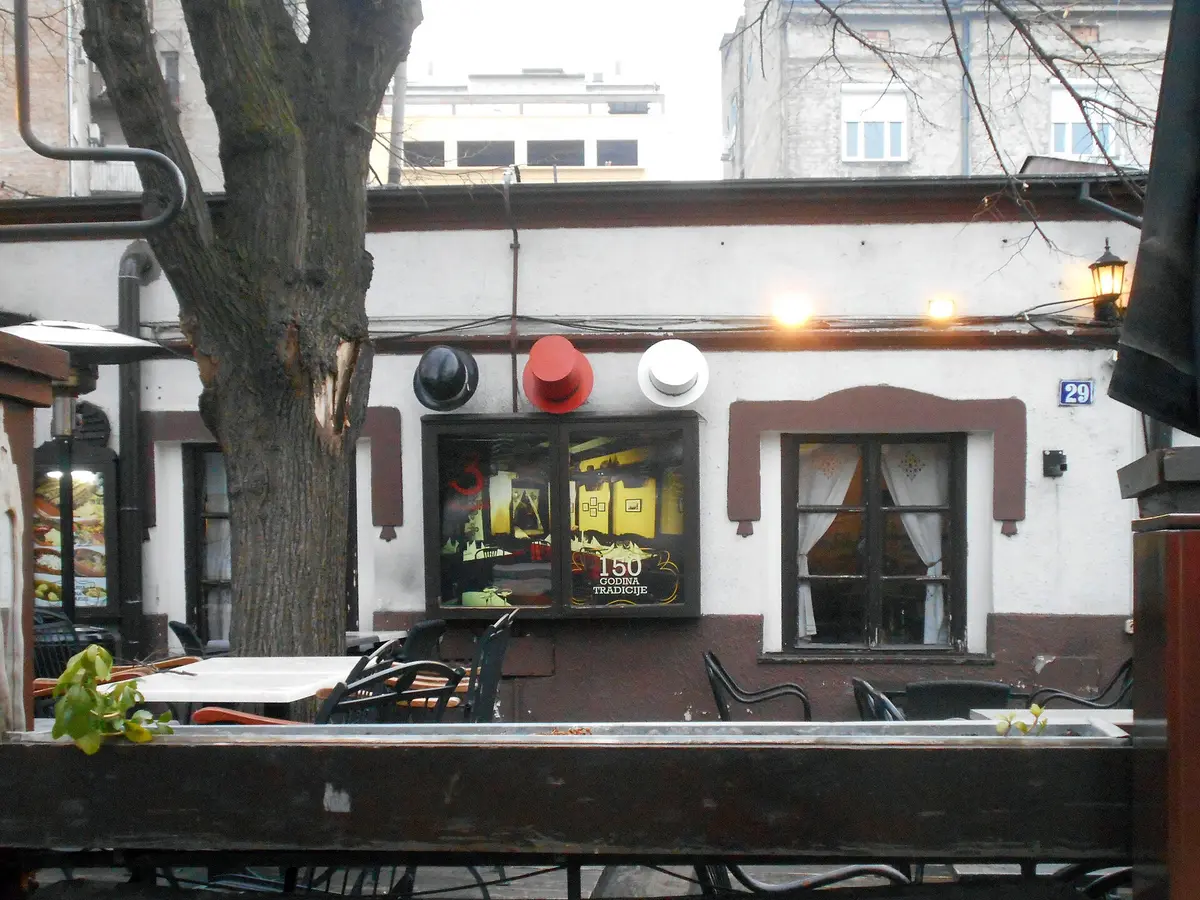
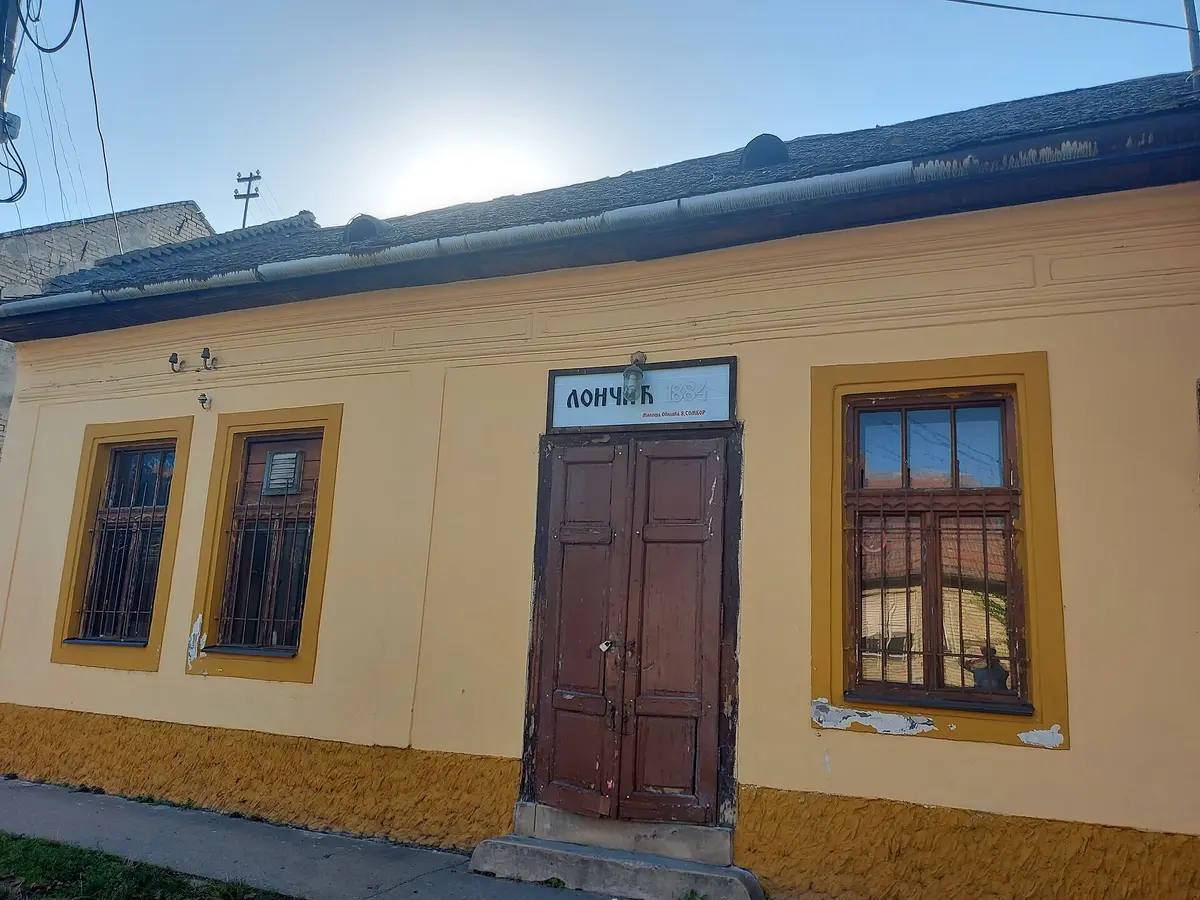
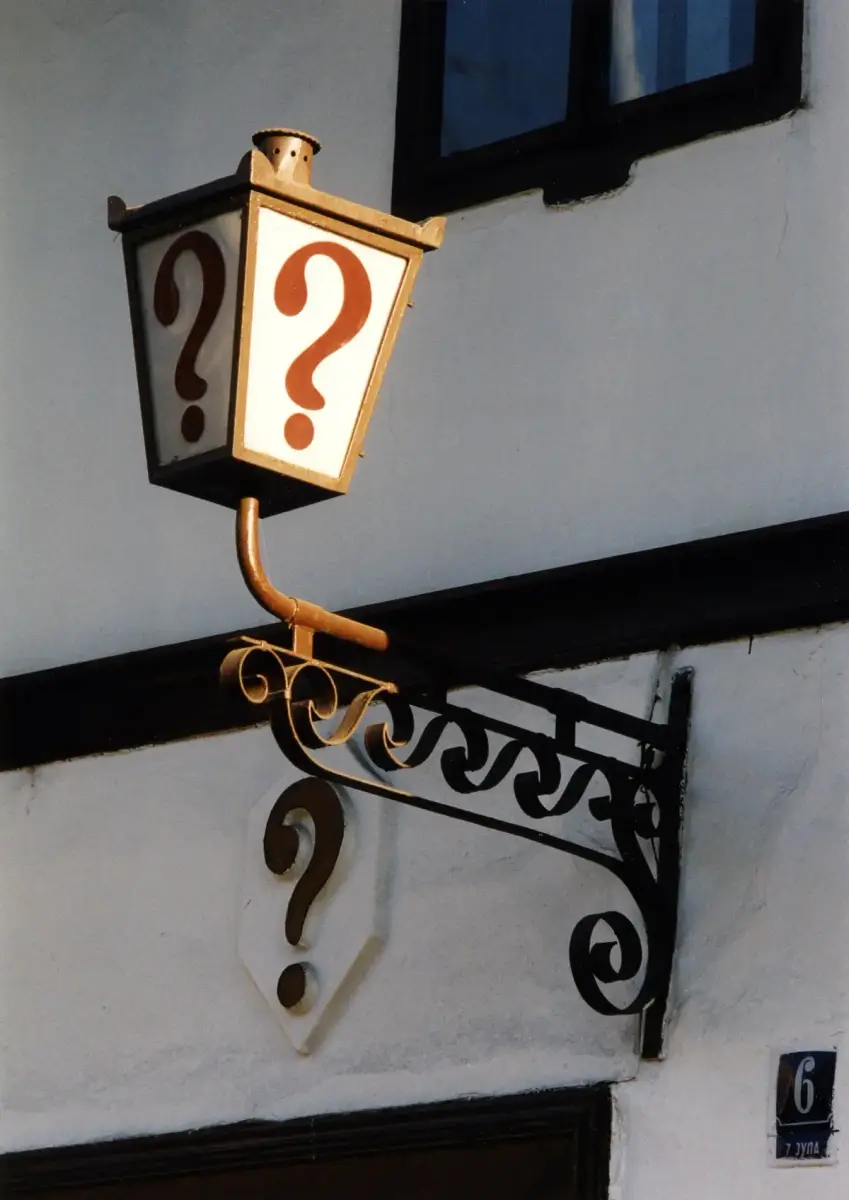
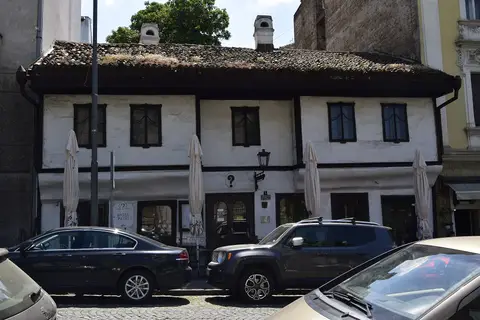
A low house on Kralja Petra, opposite the cathedral, built in 1823 and turned into a kafana three years later by Prince Milos's physician. Belgraders call it Znak pitanja, the question mark: the sign its owner hung during a dispute over the old name, which nobody ever took down. It calls itself the oldest kafana in Belgrade and has been a monument of culture since 1946.
What the records show
The dates here are the historians' rather than the kafana's: its own site claims only to be the oldest kafana in Belgrade and to have kept its rooms for something over two hundred years. Serbia's register of immovable cultural property, kept by the institute for the protection of cultural monuments, tells the story with the state behind it. Its entry for Кафана „?“ dates the house to 1823 and says the chief merchant Naum Ičko raised it that year for Prince Miloš Obrenović, who gave it to Toma Kostić for his part in the Second Serbian Uprising; on the ground floor, it goes on, ećim Toma — Ičko's son-in-law — opened a kafana in 1826, and it was called Ećim-Tomina kafana until 1878. A new tenant, Bogosav Marjanović of Užice, renamed it Kod pastira; Ivan Pavlović, a dealer in church goods, bought the house in 1885 and in 1892 opened a shop and a kafana called Kod Saborne crkve, taking the name from the cathedral opposite. The Belgrade protopresbyter Novica Lazarević threatened him with court, on the ground that the name suited neither the Church nor the regulation of taverns, and the sign came down overnight so that it should not profane the house of God even by its name. The owner put up a large question mark while the town settled down, and Belgrade liked it well enough that it is there still. Drinking is recorded within three years of the building, which is what the grade A means here. The register gives the address in the form the street carried when the entry was written, 7 July Street 6, and the house stands at Kralja Petra 6 now. It cites N. Živković's monograph on the kafana, published by the Belgrade institute in 2008, which nobody here has read.
| Year | What | Source |
|---|---|---|
| 1823 | Claimed founding | Local history |
| c.1823 | Present building | https://sr.wikipedia.org/wiki/%D0%9A%D0%B0%D1%84%D0%B0%D0%BD%D0%B0_%3F |
| 1826 | First record of a drinking house here | Republic Institute for the Protection of Cultural Monuments |
What to look for inside
- Named for a question mark: the owner hung one as a protest during a dispute over the old name, and it stayed
- A monument of culture since 1946
- Called the oldest surviving kafana in Belgrade, by itself and by the encyclopedia
Visiting
Kafana Znak Pitanja is in Belgrade, Serbia, at Kralja Petra 6, Stari grad, Belgrade. We do not list opening times, because they change; the pub’s own site is the place to check before you set out.
Sources
- sr.wikipedia.org/wiki/%D0%9A%D0%B0%D1%84%D0%B0%D0%BD%D0%B0_%3F
- www.znakpitanja.rs/
- nasledje.gov.rs/index.cfm/spomenici/pregled_spomenika?spomenik_id=46034
Know something we don’t?Suggest a correctionLast checked Sept 2026
Run this pub? There is a badge for it
Free to put on your own site, no permission needed. It shows what the pub claims and what the records support, and it changes when the data does.
How to use it, and how to change what it says — if you have a document we have not seen, we would like to read it.